A complete guide to gastroesophageal reflux disease: what causes it, the symptoms, how it is diagnosed, treatments from lifestyle changes to surgery, and possible complications.
This article is awaiting review by a qualified medical professional.
Quick answer
GERD (gastroesophageal reflux disease) is a long-term condition in which stomach acid regularly flows back into the esophagus, causing heartburn and regurgitation, usually at least twice a week. It is treated with lifestyle changes, antacids, H2 blockers or proton pump inhibitors (PPIs), and occasionally with surgery such as Nissen fundoplication. See a doctor if you have trouble swallowing, weight loss, vomiting, black stools, or symptoms that keep returning.
Gastroesophageal reflux disease (GERD) is one of the most common digestive conditions in the world. It happens when the muscle at the bottom of the esophagus (the lower esophageal sphincter) does not close properly, allowing stomach acid and contents to flow back up.
What is the difference between acid reflux and GERD?
Everyone has reflux from time to time, for example after a large meal. GERD is diagnosed when reflux is frequent, causes troublesome symptoms, or damages the esophagus. It affects a large share of adults, and it is common in people who are overweight and in pregnancy.
Symptoms of GERD
The main symptoms are:
- Heartburn: a burning feeling behind the breastbone, often after eating or when lying down
- Regurgitation: a sour or bitter taste as stomach contents come up
Other symptoms include chest pain, difficulty or pain swallowing, a feeling of a lump in the throat, chronic cough, hoarseness, sore throat, bad breath, nausea, and disturbed sleep. See our detailed guide to GERD symptoms and how to tell heartburn from a heart attack.
What causes GERD?
- A weak or relaxing lower esophageal sphincter
- Hiatal hernia, when part of the stomach moves up through the diaphragm (see types of hernia)
- Slow emptying of the stomach
- Extra pressure on the abdomen from obesity or pregnancy
Risk factors and triggers
- Overweight and obesity
- Pregnancy
- Smoking and alcohol
- Large or late meals, and lying down soon after eating
- Certain foods, such as fatty or fried food, chocolate, coffee, mint, citrus, tomato and spicy food, though triggers vary between people
- Certain medicines, including anti-inflammatory painkillers (NSAIDs), some blood pressure medicines, and some sedatives
- Conditions such as diabetes and scleroderma
How GERD is diagnosed
Doctors often diagnose GERD from your symptoms and may suggest a trial of medicine. Tests are used when symptoms are unusual, severe or not improving:
- Upper endoscopy: a camera examines the esophagus and stomach
- pH or pH-impedance monitoring: measures reflux over 24 hours or longer
- Esophageal manometry: checks muscle function before surgery
- Barium swallow: shows a hiatal hernia or narrowing
Treatment
Lifestyle changes
- Lose weight if you are overweight
- Avoid lying down for 2 to 3 hours after eating
- Raise the head of your bed by about 15 to 20 cm (6 to 8 inches), using a wedge or bed risers
- Sleep on your left side if you have night symptoms
- Avoid the foods and drinks that trigger your symptoms (see GERD diet)
- Stop smoking and cut back on alcohol
- Eat smaller meals and avoid tight clothing
Medicines
- Antacids (for example calcium carbonate) give fast, short-term relief
- Alginates form a protective layer on top of stomach contents
- H2 blockers (such as famotidine) reduce acid
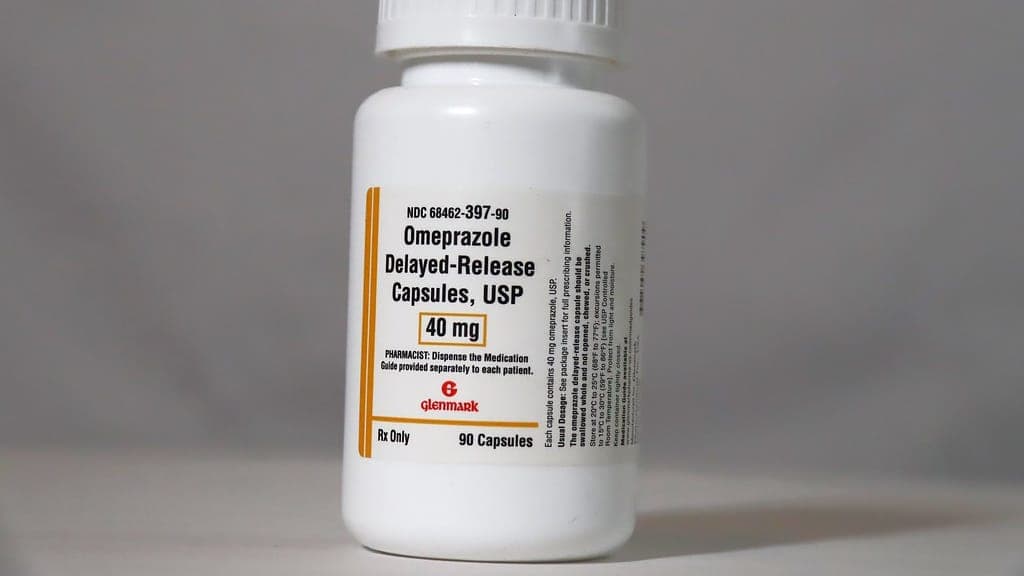
- Proton pump inhibitors (PPIs) (such as omeprazole, esomeprazole, pantoprazole and lansoprazole) are the most effective. They work best taken 30 to 60 minutes before a meal, usually for about 8 weeks, then reviewed.
Long-term PPI use is linked in observational studies with issues such as low vitamin B12 or magnesium and a higher risk of some infections and fractures. When they are needed, the benefits usually outweigh the risks, but they should be taken at the lowest effective dose and reviewed regularly.
Surgery and procedures
If medicine does not work well or is not wanted long term, options include laparoscopic Nissen fundoplication, partial wraps, the LINX magnetic device, and endoscopic treatments.
Complications
Untreated or severe GERD can cause:
- Esophagitis: inflammation and ulcers of the esophagus
- Strictures: narrowing that makes swallowing difficult
- Barrett's esophagus: changes in the lining that carry a small risk of cancer
- Airway problems: chronic cough, asthma symptoms, hoarseness and laryngopharyngeal reflux
- Dental erosion
When to see a doctor
See a doctor if you have heartburn most days, need antacids regularly for more than 2 weeks, or symptoms that are getting worse. Get medical advice promptly if you have:
- Difficulty or pain swallowing
- Unintentional weight loss
- Repeated vomiting
- Black or bloody stools, or vomiting blood
- Anemia
- Symptoms that do not respond to treatment, or new symptoms over the age of 50
Call emergency services if you have chest pain that is crushing or spreads to the arm, jaw or back, or comes with sweating, breathlessness or dizziness.
This article is for educational purposes only and does not replace advice from a doctor or other qualified health professional. See our medical disclaimer.