What laryngopharyngeal reflux (LPR) is, how it differs from GERD, how it is diagnosed, and the diet, medicines and lifestyle changes used to treat it.
This article is awaiting review by a qualified medical professional.
Quick answer
Laryngopharyngeal reflux (LPR), often called silent reflux, is when stomach contents travel all the way up to the throat and voice box, causing hoarseness, throat clearing, cough and a lump-in-the-throat feeling, often without heartburn. It is diagnosed by symptoms and examination by an ENT specialist, sometimes with reflux testing. Treatment combines diet and lifestyle changes, alginates, and acid-reducing medicine when appropriate.
Laryngopharyngeal reflux (LPR) happens when stomach contents, including acid, digestive enzymes such as pepsin, and sometimes bile, reach the back of the throat (pharynx) and the voice box (larynx). Because these tissues are much more sensitive to acid than the esophagus, even small amounts can cause irritation. Many people with LPR do not feel heartburn, which is why it is called silent reflux.
LPR versus GERD
| LPR (silent reflux) | GERD |
|---|
| Where it acts | Throat and voice box | Esophagus |
| Main symptoms | Hoarseness, throat clearing, cough, lump in the throat | Heartburn, regurgitation |
| Heartburn | Often absent | Usually present |
| Typical timing | Often daytime, when upright | Often after meals, and at night when lying down |
The two conditions overlap, and one person can have both. See our guide to GERD.
Symptoms
The most common symptoms are hoarseness, frequent throat clearing, a lump in the throat, a sensation of mucus, chronic cough and difficulty swallowing. See our full guide to LPR symptoms.
Causes and risk factors
- Weak or relaxing upper and lower esophageal sphincters
- Large or late meals, fatty or spicy foods, coffee, chocolate, mint and alcohol
- Smoking
- Overweight
- Hiatal hernia
- Lying down soon after eating
- Straining and tight clothing
- Voice overuse, which can add to irritation
How LPR is diagnosed
The diagnosis of LPR can be challenging, because throat symptoms have many causes, including allergies, postnasal drip, infections, voice misuse and smoking. Doctors may use:
- Symptom questionnaires, such as the Reflux Symptom Index (a score above 13 suggests LPR)
- Laryngoscopy: an ENT specialist looks at the voice box with a small camera. Redness and swelling can suggest reflux but are not specific.
- Upper endoscopy to check the esophagus
- pH-impedance monitoring, which measures reflux reaching the throat
- A trial of treatment in selected cases
Treatment
Diet and lifestyle
- Eat smaller meals, and stop eating 3 hours before bed
- Avoid or limit triggers, such as coffee, alcohol, chocolate, mint, fried foods, citrus, tomato and spicy food
- Stop smoking
- Lose weight if you are overweight
- Raise the head of the bed, and avoid tight clothing
- Stay hydrated and avoid excessive throat clearing, which irritates the voice box further
- Small studies suggest a plant-based, Mediterranean-style diet with alkaline water may help. See our GERD diet guide.
Medicines
- Alginates, such as sodium alginate products, which form a barrier and may help throat symptoms
- Antacids for occasional relief
- H2 blockers, often at night
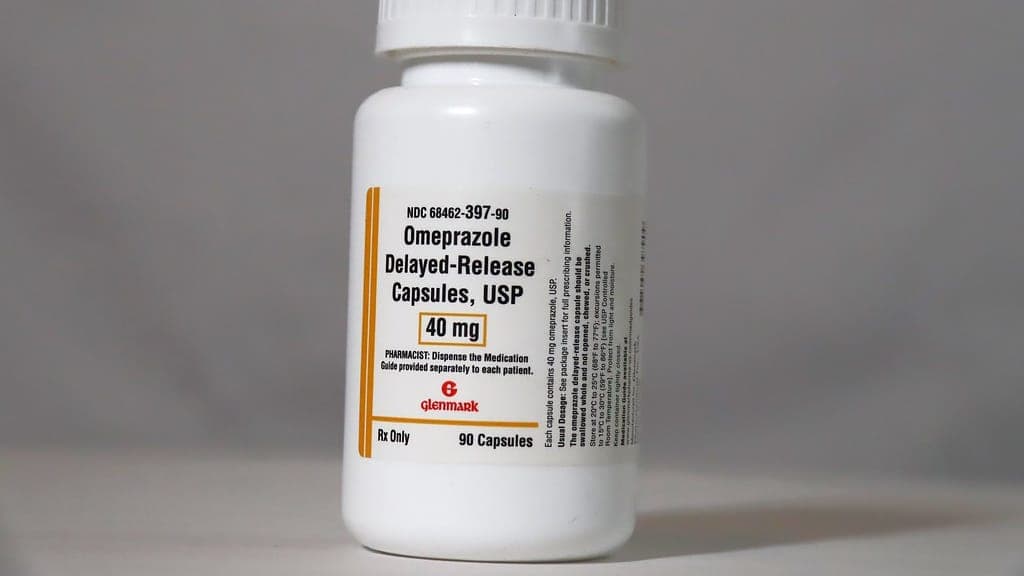
- Proton pump inhibitors (PPIs), sometimes given for 2 to 3 months if reflux is confirmed or strongly suspected. Response varies, and treatment should be reviewed rather than continued indefinitely.
Voice and throat care
- Sip water regularly
- Rest the voice, and avoid whispering and shouting
- Treat other contributors such as allergies and postnasal drip
Surgery
Anti-reflux surgery, such as Nissen fundoplication, is rarely used for LPR and only when reflux has been proven and medicines have not worked.
Complications
Long-term irritation can cause chronic laryngitis, vocal cord granulomas, and rarely narrowing below the voice box. Persistent hoarseness needs to be examined to rule out other serious causes.
When to see a doctor
See a doctor if you have hoarseness lasting more than 4 weeks, or a persistent cough, throat clearing or lump in the throat. Seek urgent care if you have difficulty breathing, noisy breathing, coughing blood, trouble swallowing, a lump in the neck or unexplained weight loss.
This article is for educational purposes only and does not replace advice from a doctor or other qualified health professional. See our medical disclaimer.