A complete guide to every type of hernia, where each one occurs, who gets it, the symptoms, and which ones need urgent surgery.
This article is awaiting review by a qualified medical professional.
A hernia is a bulge that forms when part of the intestine, fat or another organ pushes through a weak area in the muscle or connective tissue that normally holds it in place. Hernias can appear almost anywhere in the abdomen, groin, chest opening (diaphragm) and pelvis. This guide explains every main type. For treatment, see our guide to hernia repair surgery.
Hernia types at a glance
| Type | Where it occurs | Who is affected | Key points |
|---|
| Inguinal (indirect or direct) | Groin | Mainly men, all ages | Most common type; can extend into the scrotum |
| Femoral | Just below the groin crease, upper thigh | Mostly women, especially older women | High risk of becoming trapped; repair usually advised |
| Umbilical | At the belly button | Babies, and adults with obesity, pregnancy or fluid in the abdomen | Often closes by itself in young children |
| Epigastric | Midline, between the breastbone and belly button | Adults | Often a small lump of fat; may cause pain |
| Incisional | Over a previous surgical scar | Anyone after abdominal surgery | Can be large; risk rises with obesity, smoking, wound infection |
| Hiatal | Diaphragm opening near the esophagus | Adults, more common with age and obesity | Often linked with acid reflux (GERD) |
| Spigelian | Outer edge of the abdominal muscle, below the belly button | Older adults | Rare and hard to feel; found with ultrasound or CT |
| Obturator | Through a canal in the pelvis | Thin, elderly women | Rare; can cause bowel obstruction and inner thigh pain |
| Lumbar | Lower back or flank | Older adults, or after flank surgery | Rare |
| Parastomal | Around a colostomy or ileostomy | People with a stoma | Very common after stoma surgery |
| Diaphragmatic (congenital) | Diaphragm | Newborns | Serious; needs early surgery |
Groin hernias
Inguinal hernia
An inguinal hernia is the most common type. Tissue pushes through the inguinal canal, a passage in the lower abdominal wall. There are two forms:
- Indirect inguinal hernia: passes through the entrance of the canal (the deep inguinal ring). It is often present from birth, can occur at any age, and may travel down into the scrotum.
- Direct inguinal hernia: pushes through a weakened area in the back wall of the canal. It is acquired over time, usually in older men, from straining and ageing tissues.
Symptoms are a bulge in the groin that is more noticeable when standing, coughing or lifting, with a dragging ache or heaviness. In babies and children, inguinal hernias are usually repaired soon after diagnosis because of the risk of the bowel becoming trapped.
Femoral hernia
A femoral hernia passes through the femoral canal, just below the groin crease. It is much less common than an inguinal hernia and is more frequent in women. Because the opening is narrow, it is more likely to become trapped or strangulated, so surgeons generally recommend repair without long delay.
Abdominal wall (ventral) hernias
"Ventral hernia" is a general term for hernias in the front wall of the abdomen. It includes the following.
Umbilical hernia
Occurs at the belly button. In babies it is common, especially in premature infants, and most close on their own by age 4 or 5. In adults, umbilical hernias are linked with obesity, pregnancy, repeated pregnancies and fluid build-up in the abdomen (ascites). They can grow and may need repair if painful, enlarging or trapped.
Epigastric hernia
Forms in the midline between the breastbone and belly button. It is often a small lump of fatty tissue and can cause tenderness or pain. Several small epigastric hernias can occur together.
Incisional hernia
Develops at the site of a previous operation, where the scar has weakened. It is one of the most common long-term complications of abdominal surgery. Risk factors include obesity, smoking, diabetes, wound infection and heavy lifting soon after surgery. Repair is often more complex, and mesh is commonly used.
Spigelian hernia
A rare hernia along the outer edge of the rectus abdominis muscle (the "six-pack" muscle). It is usually small and can be hidden under a layer of muscle, so it may only be found on ultrasound or CT.
Hernias of the chest opening (diaphragm)
Hiatal hernia
The diaphragm has an opening (the hiatus) that the esophagus passes through. In a hiatal hernia, part of the stomach slides up through it into the chest.
- Type I (sliding): the most common, about 95 percent of cases. The junction of the esophagus and stomach moves up and down through the opening.
- Type II (paraesophageal): part of the stomach squeezes up beside the esophagus while the junction stays in place. Less common but more likely to cause complications.
- Types III and IV: a mix of the two, or other organs such as the colon also moving up.
Many small hiatal hernias cause no symptoms. Larger ones can cause heartburn, regurgitation, chest discomfort, difficulty swallowing, and feeling full quickly. They are strongly associated with GERD (acid reflux). Treatment ranges from lifestyle changes and medicines to surgery such as Nissen fundoplication.
Congenital diaphragmatic hernia
A birth defect in which there is a hole in the diaphragm and abdominal organs move into the chest, which can affect lung development. Types include Bochdalek and Morgagni hernias. It is usually found on scans before birth or soon after and needs specialist surgery.
Pelvic and back hernias
- Obturator hernia: tissue passes through the obturator canal in the pelvis. It mainly affects thin, older women and may present as bowel obstruction or pain in the inner thigh. It is often diagnosed on CT.
- Lumbar hernia: a rare bulge in the flank or lower back.
- Perineal and sciatic hernias: very rare hernias of the pelvic floor.
Hernias linked with surgery
- Parastomal hernia: occurs beside a colostomy or ileostomy where the abdominal wall is weak. It is very common in people with a stoma and can make stoma bags harder to fit.
- Port-site hernia: a small hernia at a keyhole surgery incision.
Sports hernia (athletic pubalgia)
Despite the name, a sports hernia is not a true hernia. It is a soft-tissue injury in the groin, common in athletes who twist and change direction. It causes groin pain during exercise and usually does not produce a visible bulge.
Rare named hernias
- Richter's hernia: only part of the bowel wall is trapped, so the bowel may not be completely blocked but can still be damaged
- Amyand's hernia: the appendix lies inside an inguinal hernia
- Littre's hernia: a Meckel's diverticulum lies inside a hernia
How hernias are classified
- Reducible: the bulge can be pushed back in, or goes away when lying down
- Incarcerated (irreducible): the contents are stuck and cannot be pushed back
- Obstructed: the trapped bowel is blocked, causing vomiting and constipation
- Strangulated: the blood supply is cut off, which is a surgical emergency
Symptoms of a hernia
- A lump or bulge, often more noticeable when standing, coughing or lifting
- Aching, burning, heaviness or a dragging feeling
- Discomfort when bending or straining
- With a hiatal hernia: heartburn, regurgitation and swallowing difficulty
Causes and risk factors
- Weak muscle or tissue, from birth or from age
- Increased pressure inside the abdomen: heavy lifting, straining with constipation, chronic cough, obesity, pregnancy, fluid in the abdomen
- Previous surgery
- Smoking, which weakens tissue
- Family history
- Premature birth (in babies)
Diagnosis
A doctor usually diagnoses a hernia by examining you, sometimes while you stand and cough. Ultrasound, CT or MRI may be used for hidden hernias or unclear pain. A hiatal hernia is found with a barium swallow or upper endoscopy.
Treatment overview
- Watchful waiting: possible for small hernias with few or no symptoms, particularly some inguinal hernias in men
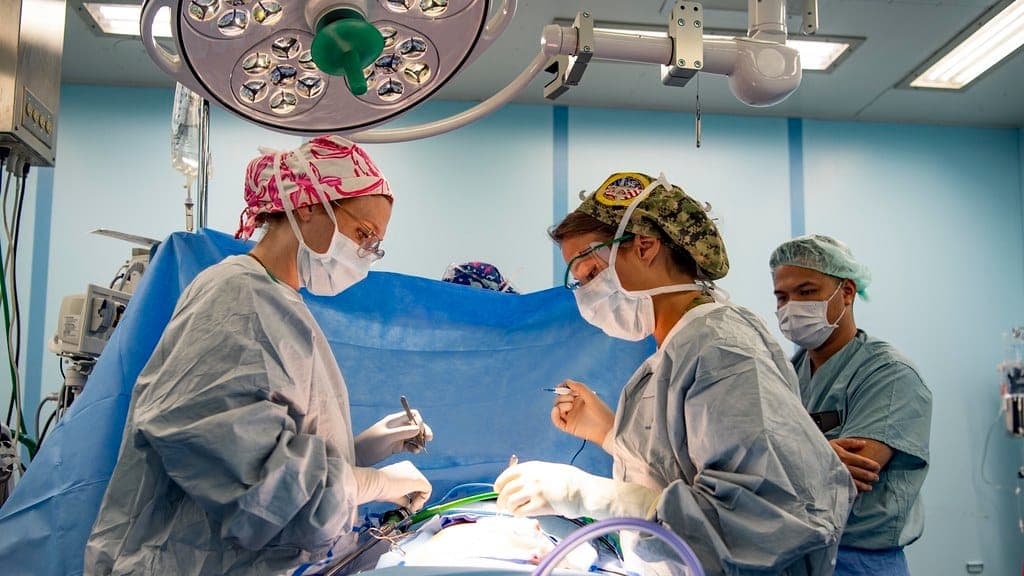
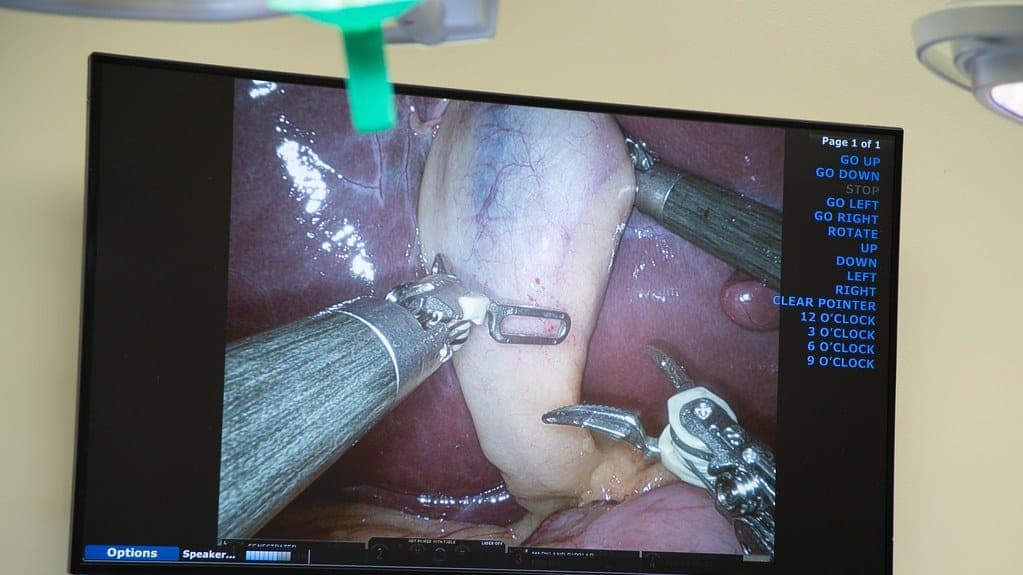
- Surgery: open repair, keyhole (laparoscopic) or robotic repair, often with mesh. Read more about hernia repair surgery and recovery
- Hiatal hernia: lifestyle changes and acid-reducing medicines first, and surgery for large or troublesome hernias
How to lower your risk
- Maintain a healthy weight
- Lift safely and avoid straining
- Treat constipation and chronic cough
- Stop smoking
- Follow your surgeon's advice on lifting after operations
When to seek urgent care
Go to an emergency department right away if a hernia becomes suddenly painful, firm, tender, red or dark, cannot be pushed back, or if you have vomiting, fever, or cannot pass stool or gas. See a doctor if you notice any new lump or bulge, or ongoing groin or abdominal pain.
This article is for educational purposes only and does not replace advice from a doctor or other qualified health professional. See our medical disclaimer.