The most common gas-producing foods, including beans, cabbage, onions and dairy, why they cause bloating, and gentler alternatives with a simple low-FODMAP overview.
This article is awaiting review by a qualified medical professional.
Quick answer
Foods that most often cause gas and bloating include beans and lentils, cabbage, broccoli, onions, garlic, wheat, dairy, fizzy drinks, and products with sugar alcohols such as sorbitol. They contain carbohydrates that gut bacteria ferment. Lower-gas swaps include rice, oats, carrots, spinach, firm tofu, lactose-free dairy, bananas and blueberries, but tolerance varies, so a food diary helps.
Gas is a natural by-product of digestion. Bacteria in your large intestine ferment carbohydrates that were not absorbed earlier, releasing gas. Some foods produce far more gas than others, and sensitivity varies from person to person. For the full picture, read our guide to gas and bloating.
Why some foods cause gas
Foods high in fibre, certain sugars and starches, and sugar alcohols pass through the small intestine undigested. When they reach the colon, bacteria ferment them, causing gas, bloating and sometimes cramps. The specific carbohydrates are known as FODMAPs (fermentable oligosaccharides, disaccharides, monosaccharides and polyols).
Common gas-causing foods
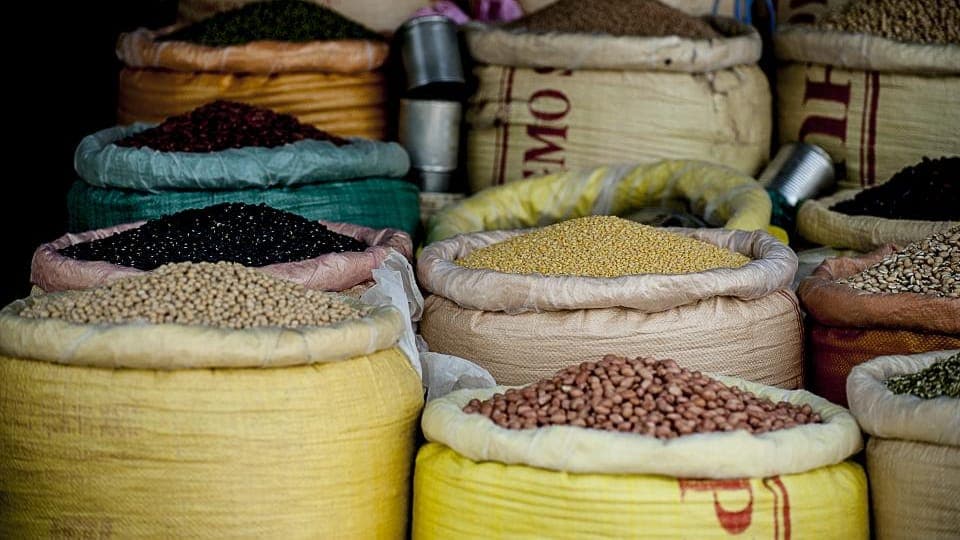
Beans, lentils and legumes
Beans, lentils, chickpeas and peas contain oligosaccharides that are hard to digest.
Vegetables
Cabbage, Brussels sprouts, broccoli, cauliflower, onions, garlic, leeks, asparagus, artichokes and mushrooms.
Fruit
Apples, pears, peaches, plums, cherries, watermelon and mango, which contain fructose or sorbitol.
Wheat and whole grains
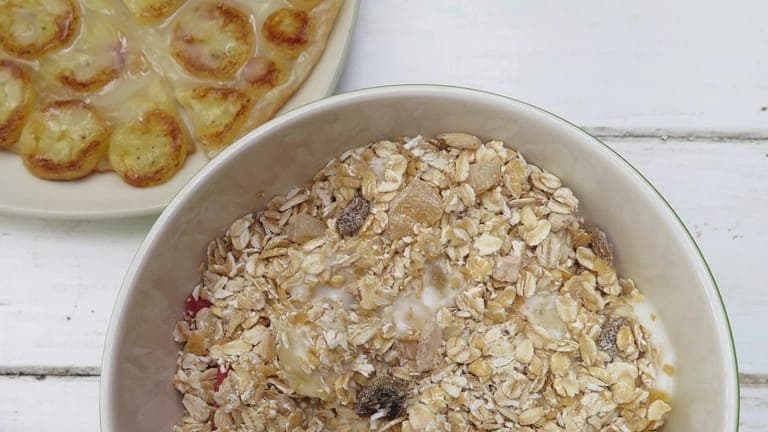
Wheat, rye and barley contain fructans, and high-fibre bran cereals can add to gas when increased suddenly.
Dairy
Milk, soft cheese, ice cream and yogurt contain lactose, which many adults digest poorly.
Sweeteners and sugar-free products
Sorbitol, mannitol, xylitol and maltitol, found in sugar-free gum, sweets and some diet products, can cause gas and loose stools.
Fizzy drinks and swallowed air
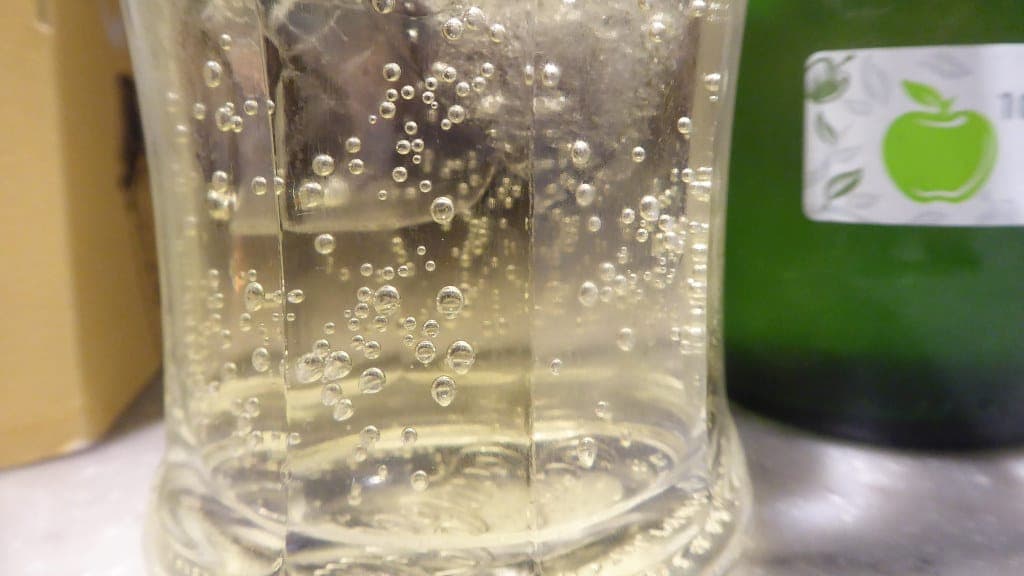
Carbonated water and soft drinks add gas directly, as does gum and drinking through straws.
Fatty and fried foods
These slow stomach emptying, which can increase fullness and discomfort.
Lower-gas alternatives
| Instead of | Try |
|---|
| Onion and garlic | Chives, spring onion tops, garlic-infused oil, herbs |
| Cabbage and cauliflower | Carrots, spinach, zucchini, bok choy, potatoes |
| Beans and lentils | Well-rinsed canned lentils in small amounts, firm tofu, eggs, fish |
| Wheat bread and pasta | Sourdough spelt, rice, oats, quinoa, gluten-free options if advised |
| Milk | Lactose-free milk, hard cheese, plant milks such as almond |
| Apples and pears | Bananas, blueberries, strawberries, oranges, kiwi, grapes |
| Sugar-free sweets | Small amounts of sugar or a tolerated sweetener |
| Fizzy drinks | Still water, herbal tea, peppermint or ginger tea |
Tips to reduce gas from healthy foods
- Introduce fibre and beans gradually
- Soak dried beans, discard the water and cook them thoroughly, and rinse canned beans
- Use an alpha-galactosidase enzyme with gas-producing foods
- Use lactase if you are lactose intolerant
- Eat slowly and chew well
- Cook vegetables rather than eating them all raw
- Drink plenty of water as you increase fibre
Overview of the low-FODMAP approach
- Elimination: avoid high-FODMAP foods for about 2 to 6 weeks
- Reintroduction: add each FODMAP group back one at a time to identify triggers
- Personalisation: keep only the foods that cause symptoms limited
It is not intended to be lifelong, and it can reduce fibre and affect gut bacteria, so work with a dietitian.
If you also have acid reflux
Some foods that help GERD, such as oats and vegetables, are fine, while others such as onion and garlic can trigger both reflux and gas. See our GERD diet guide.
When to see a doctor
If diet changes do not help, or you have weight loss, blood in the stool, persistent vomiting, severe pain, anemia or persistent bloating (especially in women over 50), see a doctor rather than continuing to restrict foods. Diet restrictions should not replace medical assessment for celiac disease, IBS or other conditions.
This article is for educational purposes only and does not replace advice from a doctor or other qualified health professional. See our medical disclaimer.