This article is awaiting review by a qualified medical professional.
Quick answer
A GERD diet emphasises oatmeal, whole grains, non-citrus fruit, vegetables, lean protein and healthy fats, and limits fried and fatty food, chocolate, mint, coffee, alcohol, citrus, tomato and spicy dishes. Triggers differ from person to person, so a food diary helps. Smaller meals, not lying down for 2 to 3 hours after eating, and weight loss often help more than any single food.
Food can influence acid reflux, but the evidence shows that reactions vary from person to person. Guidelines recommend avoiding specific foods only if they trigger your symptoms, alongside weight loss and changes in how and when you eat. Read our full guide to GERD for medical treatment.
Foods that are usually well tolerated
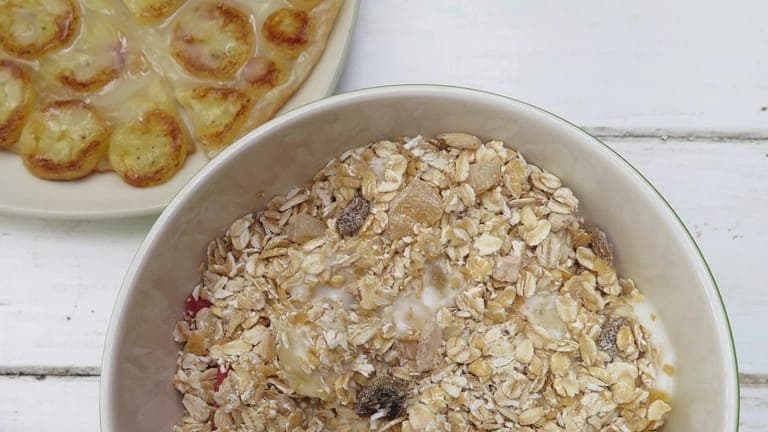
Whole grains: oatmeal, brown rice, whole-wheat bread and couscous
Non-citrus fruit: bananas, melon, apples and pears
Vegetables: green beans, broccoli, asparagus, leafy greens, cucumber, carrots, sweet potato and cauliflower
Lean protein: skinless chicken, turkey, fish, tofu and egg whites
Healthy fats in small amounts: olive oil, avocado, walnuts and other nuts
Low-fat dairy or plant milks
Ginger: fresh ginger or ginger tea for some people
Water, and herbal teas such as chamomile
Foods and drinks that commonly trigger reflux
Fried, greasy and fatty foods, and fatty meat
Chocolate
Peppermint and spearmint
Coffee, and for some people tea
Alcohol
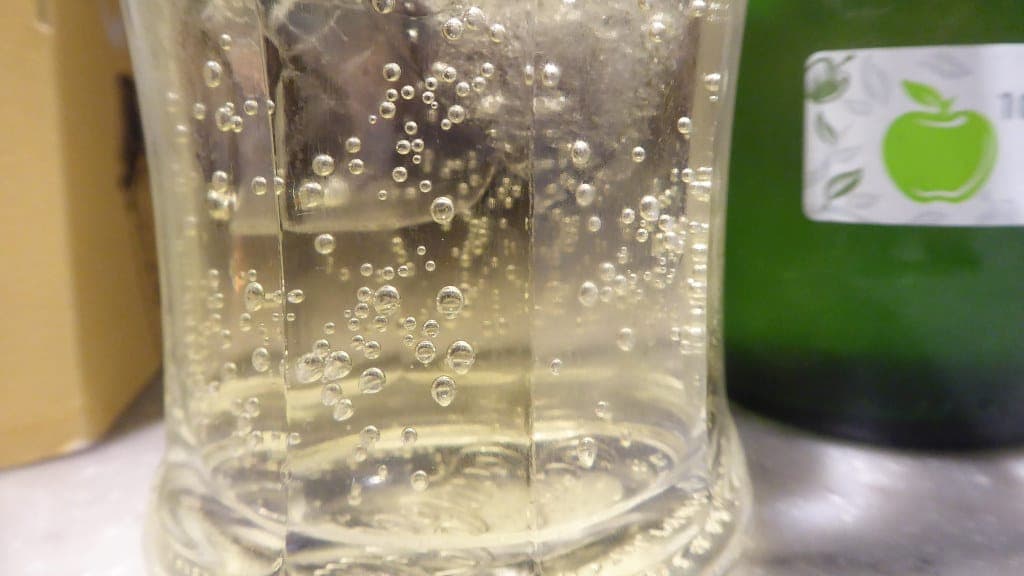
Fizzy drinks
Citrus fruits and juices
Tomatoes and tomato sauces
Onion and garlic
Spicy foods
Very large meals
How and when you eat
Eat smaller, more frequent meals instead of a few large ones
Stop eating 2 to 3 hours before lying down or bedtime
Eat slowly and chew well
Avoid tight clothing around the waist
Raise the head of your bed by about 15 to 20 cm (6 to 8 inches) for night symptoms
Sleep on your left side, which can reduce reflux
Lose weight if you are overweight, since even modest weight loss reduces symptoms
Stop smoking and limit alcohol
A sample day of eating
Breakfast: oatmeal with banana and a spoonful of nut butter, and a herbal tea
Mid-morning: an apple or a small handful of almonds
Lunch: grilled chicken or tofu with brown rice and steamed vegetables
Afternoon: low-fat yogurt or melon
Dinner (early): baked fish with roasted sweet potato and green beans, and a drizzle of olive oil
Keep a food and symptom diary
Write down what you eat, the time, and any symptoms over 2 to 4 weeks. This helps identify your own triggers, so you avoid only what affects you rather than cutting out everything.
Diet if you also have gas or bloating
Some healthy reflux-friendly foods, such as beans, onion and certain vegetables, can cause gas. If you have both problems, see foods that cause gas and bloating.
Diet after anti-reflux surgery
After operations such as Nissen fundoplication, your team will give you a staged plan, starting with liquids and soft foods.
When to see a doctor
See a doctor if reflux is frequent despite dietary changes, if you have difficulty swallowing, weight loss, vomiting, or black stools. Do not rely on diet alone if you have warning signs.
Frequently asked questions
What foods are good for acid reflux?
Oatmeal and other whole grains, bananas, melons, apples and pears, green vegetables, root vegetables, lean poultry and fish, egg whites, and small amounts of healthy fats such as olive oil and avocado are usually well tolerated. Ginger can also soothe the stomach for some people.
What foods trigger GERD the most?
Common triggers include fried and fatty foods, chocolate, mint, coffee, alcohol, fizzy drinks, citrus fruit, tomato-based foods, onion, garlic and spicy food. Not everyone reacts to every trigger, so you only need to avoid the ones that affect you.
Can changing your diet cure GERD?
Diet alone rarely cures GERD, but the way you eat, such as smaller meals, avoiding late meals and losing excess weight, can reduce symptoms considerably. Many people still need medicines.
Is milk good for acid reflux?
Milk may give brief relief, but fat and protein can trigger more acid production later. Low-fat or plant-based milk may be better tolerated.
This article is for educational purposes only and does not replace advice from a doctor or other qualified health professional. See our medical disclaimer.
The most common gas-producing foods, including beans, cabbage, onions and dairy, why they cause bloating, and gentler alternatives with a simple low-FODMAP overview.
Everything about intestinal gas and bloating: what is normal, what causes it, how to get relief, medical treatments, and the warning signs that need a doctor.
A complete guide to gastroesophageal reflux disease: what causes it, the symptoms, how it is diagnosed, treatments from lifestyle changes to surgery, and possible complications.