Everything about intestinal gas and bloating: what is normal, what causes it, how to get relief, medical treatments, and the warning signs that need a doctor.
This article is awaiting review by a qualified medical professional.
Quick answer
Gas and bloating are usually caused by swallowed air, gut bacteria fermenting certain foods, constipation, or conditions such as IBS, lactose intolerance and small intestinal bacterial overgrowth (SIBO). Eating slowly, avoiding fizzy drinks and chewing gum, identifying trigger foods, walking after meals and treating constipation often help. See a doctor for persistent bloating, weight loss, blood in the stool, vomiting or severe pain.
Gas and bloating are among the most common digestive complaints. They are usually harmless, but they can be uncomfortable and sometimes point to an underlying condition.
Gas, bloating and distension: what is the difference?
- Gas: air in the digestive tract, released by burping (belching) or passing wind (flatulence)
- Bloating: a sensation of fullness, pressure or tightness in the abdomen
- Distension: visible swelling of the abdomen, which may increase through the day
Symptoms
- A swollen, tight or full abdomen
- Excessive burping or flatulence
- Abdominal cramps or discomfort that eases after passing wind or stool
- Rumbling or gurgling noises
- Nausea or feeling full quickly
What causes gas and bloating?
Swallowed air
- Eating or drinking too fast
- Chewing gum, sucking on sweets and drinking through straws
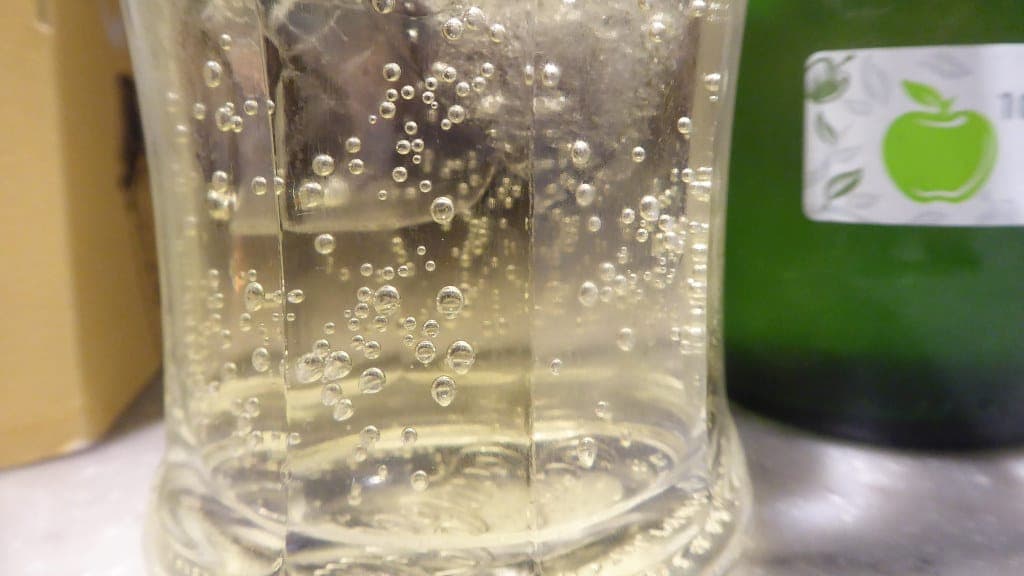
- Fizzy drinks
- Smoking
- Loose dentures
Foods that ferment in the gut
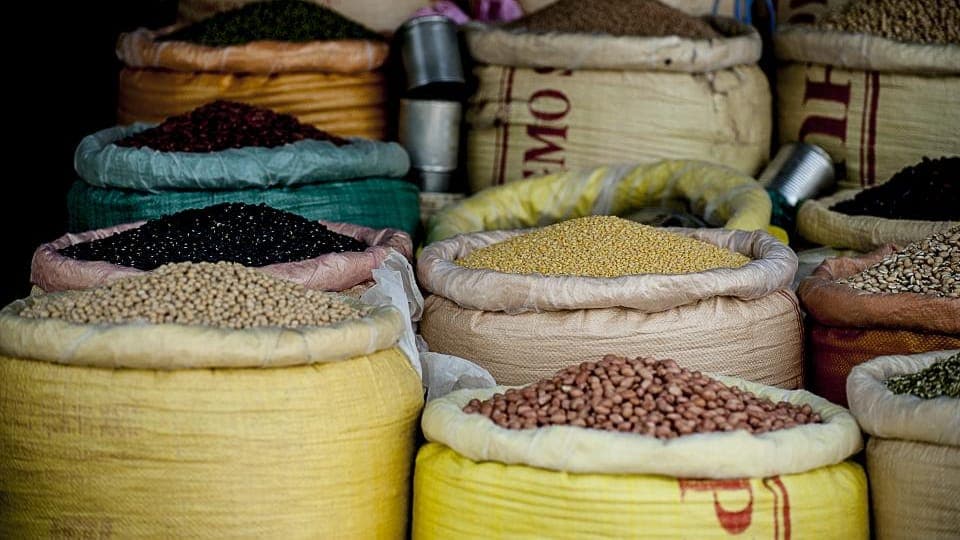
Bacteria in the large intestine break down carbohydrates that are not digested earlier, producing gas. Common culprits are beans and lentils, cabbage, broccoli, onions, garlic, wheat, dairy, fruit high in fructose, and sugar alcohols such as sorbitol and xylitol. See foods that cause gas and bloating.
Digestive conditions
- Constipation, which slows gut transit
- Irritable bowel syndrome (IBS)
- Lactose intolerance and other food intolerances, such as fructose malabsorption
- Celiac disease
- Small intestinal bacterial overgrowth (SIBO)
- Gastroparesis (slow stomach emptying) and functional dyspepsia
- Acid reflux, which can cause burping and bloating. See GERD
- Inflammatory bowel disease, pancreatic problems and infections such as giardia
Other causes
- Hormones: bloating before periods and during pregnancy
- Medicines: metformin, GLP-1 medicines, acarbose, some laxatives and iron supplements
- After anti-reflux surgery: gas-bloat syndrome. See Nissen fundoplication
- Stress and anxiety, through the gut-brain connection
- Abdominal muscle and diaphragm coordination problems, which can make the belly look swollen
- Fluid in the abdomen (ascites) from liver, heart or kidney disease, or ovarian conditions
Home remedies and self-help
- Eat and drink slowly, chew with your mouth closed, and eat smaller meals
- Avoid fizzy drinks, chewing gum and straws
- Keep a food and symptom diary to find triggers
- Walk or move after meals
- Use a warm heat pack on your abdomen
- Try peppermint tea, or enteric-coated peppermint oil capsules, which have evidence for IBS symptoms
- Try ginger tea
- Increase fibre gradually, favouring soluble fibre such as oats and psyllium, and drink enough water
- Treat constipation
- Manage stress, sleep and exercise
Over-the-counter products
- Simethicone: widely used, but evidence for benefit is limited
- Alpha-galactosidase enzyme: can reduce gas from beans and vegetables
- Lactase: helps if you are lactose intolerant
- Activated charcoal: little evidence and it can interfere with medicines
- Probiotics: mixed results, and effects depend on the strain
The low-FODMAP diet
FODMAPs are types of fermentable carbohydrates. A dietitian can guide you through a short trial of a low-FODMAP diet, followed by reintroduction to find which types you tolerate. It should not be followed long term without guidance.
Medical treatment
Treatment depends on the cause and may include:
- Treating constipation, lactose intolerance or celiac disease
- Antibiotics such as rifaximin for SIBO or certain IBS symptoms
- Medicines for IBS, and for slow stomach emptying
- Breathing exercises and biofeedback for abdominal wall and diaphragm problems
- Speech therapy or breathing retraining for excessive belching
Warning signs: when to see a doctor
See a doctor if bloating or gas is persistent or worsening, or comes with:
- Unintentional weight loss
- Blood in the stool, or black stools
- Repeated vomiting
- Difficulty swallowing
- Severe or ongoing abdominal pain
- Anemia
- Changes in bowel habit that last more than a few weeks
- Jaundice, fever or leg swelling
- A family history of bowel, ovarian or stomach cancer or celiac disease
Persistent bloating in women, especially over 50, that does not come and go should be checked by a doctor, because it can occasionally be an early sign of ovarian cancer.
Seek emergency care for sudden severe abdominal pain, a rigid swollen abdomen, or vomiting with an inability to pass gas or stool.
This article is for educational purposes only and does not replace advice from a doctor or other qualified health professional. See our medical disclaimer.