Why gallbladder removal is done for gallstones, how keyhole surgery works, what recovery and diet look like, and the possible risks.
This article is awaiting review by a qualified medical professional.
The gallbladder is a small organ under the liver that stores bile, a fluid that helps digest fat. Gallstones are hard deposits that can form in it. Many people never notice them, but they can cause severe pain, and removing the gallbladder (cholecystectomy) is the standard treatment.
Why gallbladder removal is done
- Biliary colic: repeated attacks of pain in the upper right or middle abdomen, often after fatty meals
- Cholecystitis: inflammation or infection of the gallbladder
- Gallstones blocking the bile duct, which can cause jaundice or pancreatitis
- Gallbladder polyps or other gallbladder disease in some cases
Symptoms of gallbladder problems
- Pain in the upper right abdomen that may spread to the back or shoulder
- Nausea and vomiting
- Fever and chills
- Yellowing of the skin or eyes (jaundice)
- Dark urine and pale stools
Seek urgent care for severe pain, fever or jaundice.
Types of surgery
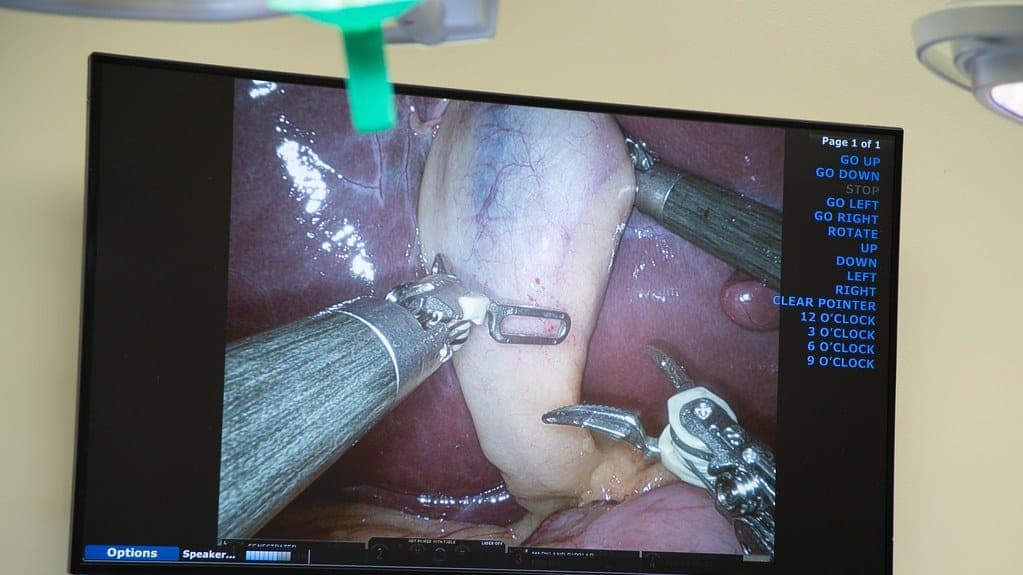
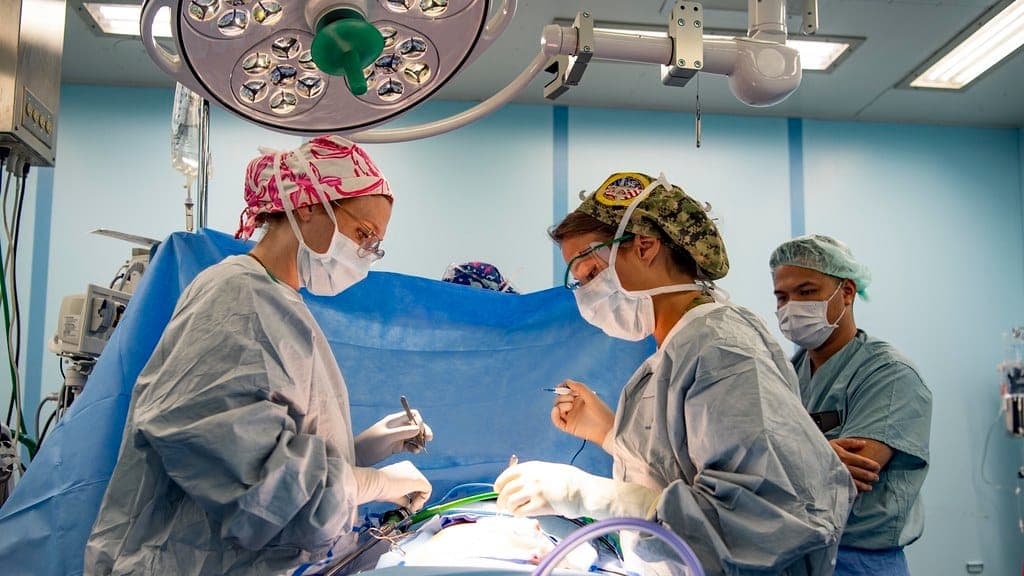
- Laparoscopic cholecystectomy (keyhole): the most common. A few small cuts are made, and the gallbladder is removed through one of them. It usually takes about an hour.
- Open cholecystectomy: a larger cut under the ribs, used if there is severe infection, scarring or complications. Recovery is longer.
Recovery
- Hospital stay: often the same day or overnight after keyhole surgery
- Pain: mild to moderate, including shoulder-tip pain from the gas used during surgery, which usually settles within a few days
- Activity: walk daily, and return to desk work in about a week. Avoid heavy lifting for around 4 weeks, or as advised
- Wounds: keep them clean and dry, and follow your team's instructions
- Driving: wait until you can brake safely and have stopped strong painkillers
Diet after gallbladder removal
There is no special lifelong diet for most people.
- Begin with small, light, low-fat meals
- Reintroduce foods slowly and note any that upset you
- Eat plenty of fibre, fruit and vegetables
- If you have loose stools or bloating, reduce very fatty or greasy foods and speak to your doctor if it persists
Risks
Serious problems are uncommon. They include wound infection, bleeding, bile leaking, injury to the bile duct or nearby organs (rare), retained stones, and complications from anesthesia. Sometimes the surgeon needs to switch from keyhole to open surgery for safety.
When to call your surgeon
Contact your surgical team or seek urgent care if you have a fever, worsening abdominal pain, yellow skin or eyes, persistent vomiting, redness or discharge from wounds, or shortness of breath.
This article is for educational purposes only and does not replace advice from a doctor or other qualified health professional. See our medical disclaimer.