Why an appendectomy is needed for appendicitis, how the surgery is done, what recovery looks like and when to call your surgeon.
This article is awaiting review by a qualified medical professional.
The appendix is a small pouch attached to the large intestine on the lower right side of the abdomen. When it becomes inflamed and infected, the condition is called appendicitis. An appendectomy is the operation to remove it, and it is one of the most common emergency operations in the world.
Symptoms of appendicitis
- Pain that starts around the belly button and moves to the lower right abdomen
- Pain that worsens when you move, cough or press on the area
- Loss of appetite
- Nausea and vomiting
- Low-grade fever
- Constipation or diarrhea, and a swollen abdomen
If appendicitis is not treated, the appendix can burst and spread infection through the abdomen, which is life-threatening.
When is surgery needed?
Most people with appendicitis need surgery soon after diagnosis. A doctor will examine you and usually order blood tests and an ultrasound or CT scan. In some people with mild, uncomplicated appendicitis, antibiotics alone may be tried, but this is a decision for your surgeon.
Types of appendectomy
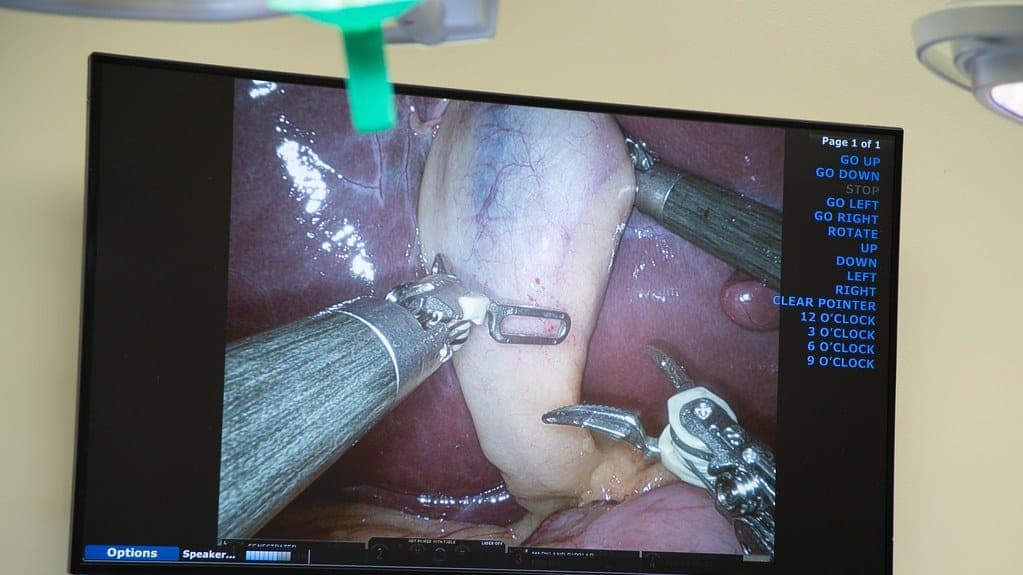
- Laparoscopic (keyhole) surgery: the surgeon makes 3 or 4 small cuts and uses a camera and thin instruments. It usually means less pain, smaller scars and faster recovery.
- Open surgery: one larger cut in the lower right abdomen. It may be needed if the appendix has burst or if there is a lot of infection.
What happens
- Before: you will fast, have an IV line and receive antibiotics. Tell the team about your medicines and allergies.
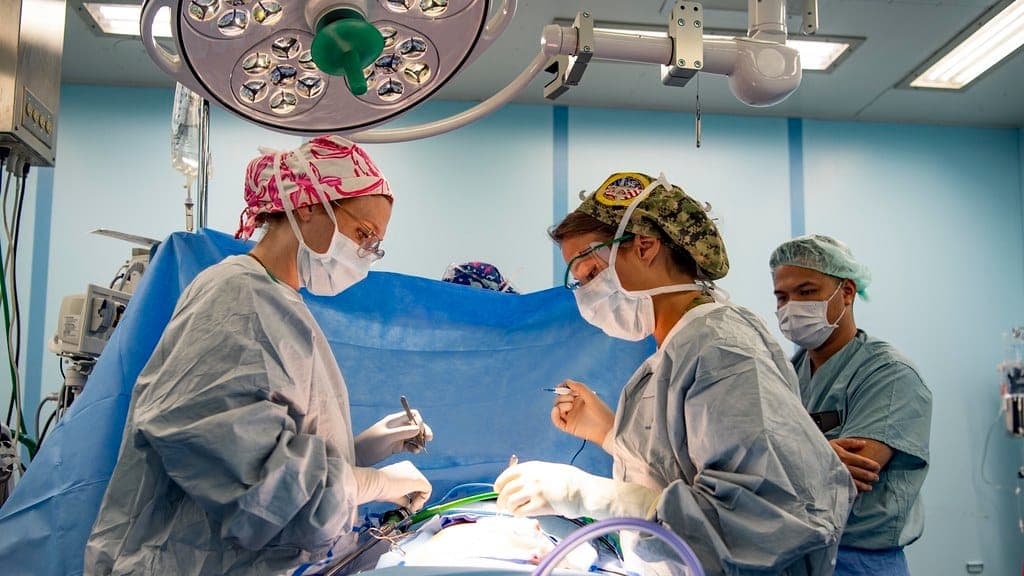
- During: general anesthetic means you are asleep. The surgeon removes the appendix and cleans the area if there is infection.
- After: you wake up in recovery, and pain is managed with medicine. Most people are up and walking within hours.
Recovery
- Hospital stay: often the same day to 2 days after keyhole surgery, and longer after a burst appendix
- Pain: manageable with pain relief. Shoulder-tip pain from the gas used in keyhole surgery is common and short-lived
- Activity: walk daily, avoid heavy lifting and strenuous exercise for about 2 to 4 weeks
- Wound care: keep it clean and dry, and follow instructions about showering
- Eating: most people go back to normal eating quickly, starting with light meals
Risks
Appendectomy is generally very safe. Possible complications include wound infection, bleeding, an abscess in the abdomen, injury to nearby organs, a hernia at the wound site and, rarely, problems from anesthesia. The risks are higher if the appendix has burst.
When to call your surgeon
Contact your surgeon or seek urgent care if you have a fever, worsening abdominal pain, redness, swelling or pus at a wound, repeated vomiting, are unable to pass stool or gas, or have chest pain, breathlessness or a swollen painful calf.
This article is for educational purposes only and does not replace advice from a doctor or other qualified health professional. See our medical disclaimer.