What a hernia is, every type of hernia, when repair surgery is needed, how open and keyhole operations differ, hiatal hernia repair and Nissen fundoplication, plus recovery and warning signs.
This article is awaiting review by a qualified medical professional.
A hernia happens when an organ or fat pushes through a weak spot in the surrounding muscle or tissue. It often looks like a bulge under the skin. Hernias are common and can affect adults and children.
All types of hernia
Hernias are named for where they occur. Each type has a different cause, risk and repair. For a full description of every type, see our guide to the types of hernia.
| Type | Where | Repair notes |
|---|
| Inguinal (indirect and direct) | Groin | Most common. Open or keyhole repair, usually with mesh |
| Femoral | Below the groin crease, upper thigh | Higher risk of becoming trapped, so repair is usually advised |
| Umbilical | Belly button | Often closes on its own in young children. Adults may need repair |
| Epigastric | Midline, above the belly button | Small hernia, repaired if painful or enlarging |
| Incisional | Over a previous surgical scar | Can be complex and usually needs mesh |
| Hiatal | Diaphragm opening near the esophagus | Often managed with medicines. Surgery for large hernias or severe reflux |
| Spigelian | Outer edge of the abdominal muscle | Rare. Repaired because of the trapping risk |
| Obturator | Pelvis | Rare and often emergency surgery |
| Lumbar | Lower back or flank | Rare |
| Parastomal | Around a stoma | Common. Repair can be difficult and recurrence is frequent |
| Diaphragmatic (congenital) | Diaphragm in newborns | Needs early specialist surgery |
Symptoms
- A lump or bulge that may disappear when you lie down
- Aching, heaviness or a dragging feeling
- Discomfort that worsens when coughing, lifting or straining
Some hernias cause no pain at all.
When is surgery needed?
Surgery is often recommended when a hernia is painful, growing, or affects daily life, and it is urgent if the hernia becomes trapped (incarcerated) or strangulated. For people with a small, painless inguinal hernia, "watchful waiting" with regular check-ups can be a safe choice. Your surgeon will discuss the options.
Types of hernia repair
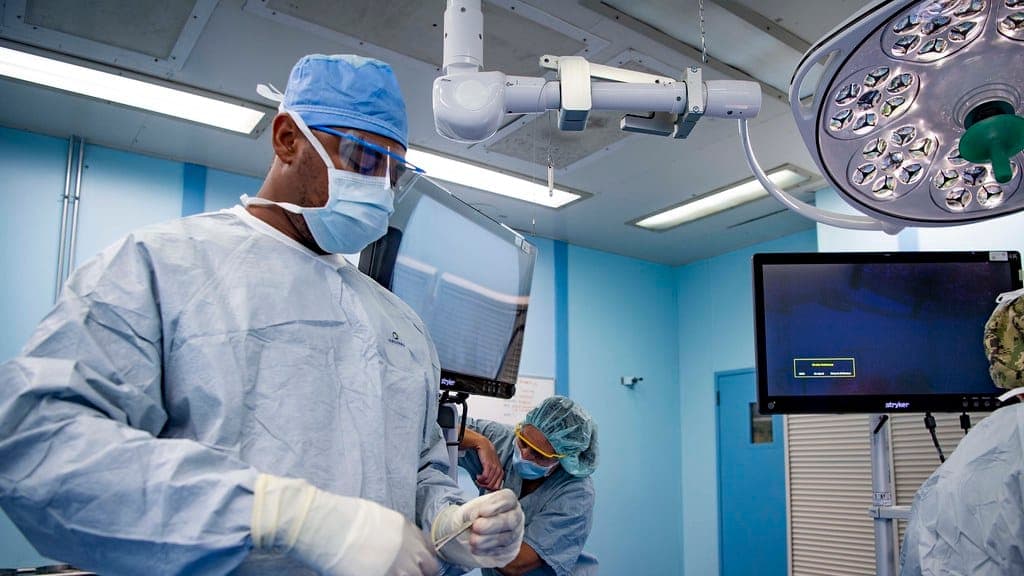
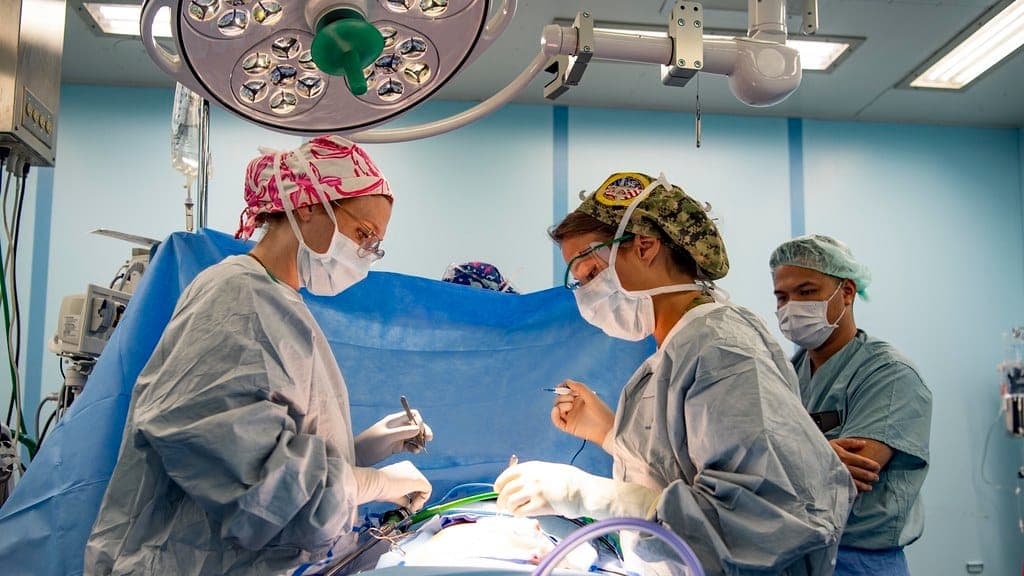
- Open repair: one cut over the hernia. The bulge is pushed back and the weak area is strengthened.
- Laparoscopic or robotic repair: several small cuts, with a camera and instruments. It can mean less pain and a quicker return to activity.
- Mesh or stitches: a synthetic mesh is commonly used to reinforce the area and lower the chance of the hernia returning. Some small hernias are repaired with stitches alone.
Repairs may be done under general, spinal or local anesthetic with sedation, depending on the hernia and your health.
Recovery
- Most people go home the same day
- Walk regularly from the first day to lower the risk of complications
- Expect some pain, swelling and bruising, which improves over days to weeks
- Avoid heavy lifting and strenuous exercise for about 4 to 6 weeks, unless told otherwise
- Prevent constipation and straining, and eat plenty of fibre and fluids
- Do not drive until you can brake safely and are off strong painkillers
Risks and complications
Hernia repair is generally safe. Possible complications include infection, bleeding or bruising, difficulty passing urine, long-lasting pain, mesh problems (uncommon), and the hernia returning.
Hiatal hernia repair and Nissen fundoplication
A hiatal hernia is different from most other hernias because it involves the stomach pushing up through the diaphragm into the chest. Many small hiatal hernias need no surgery and are managed with lifestyle changes and acid-reducing medicines for GERD.
Surgery is considered when a hiatal hernia is large, is a paraesophageal type, or causes reflux, regurgitation, swallowing problems or chest symptoms that medicines do not control. It is usually done by keyhole surgery and involves:
- Pulling the stomach back down into the abdomen
- Removing the hernia sac
- Tightening the opening in the diaphragm (hiatal repair), sometimes with mesh
- Often adding a fundoplication, in which the top of the stomach is wrapped around the lower esophagus to stop reflux
The most common wrap is the Nissen fundoplication (a full 360 degree wrap). Partial wraps include the Toupet (about 270 degrees, at the back) and the Dor (about 180 degrees, at the front). After surgery, swallowing difficulty and bloating are common early on, and the diet is advanced gradually from liquids to soft foods to normal food. Some people also develop gas-bloat syndrome, with trouble belching.
Read the full guide: Nissen fundoplication: procedure, recovery, risks and alternatives.
Reduce your risk of a hernia
Maintain a healthy weight, use safe lifting techniques, treat chronic cough and constipation, and don't smoke.
When to seek urgent care
Go to an emergency department if a hernia becomes suddenly painful, firm, discoloured or cannot be pushed back, especially with vomiting, fever or being unable to pass gas or stool. Contact your surgeon if you have a fever, wound redness or discharge, or increasing pain after surgery.
This article is for educational purposes only and does not replace advice from a doctor or other qualified health professional. See our medical disclaimer.