The HPV vaccine prevents cervical and other cancers and genital warts. Learn who should get it, the recommended schedule and what to expect.
This article is awaiting review by a qualified medical professional.
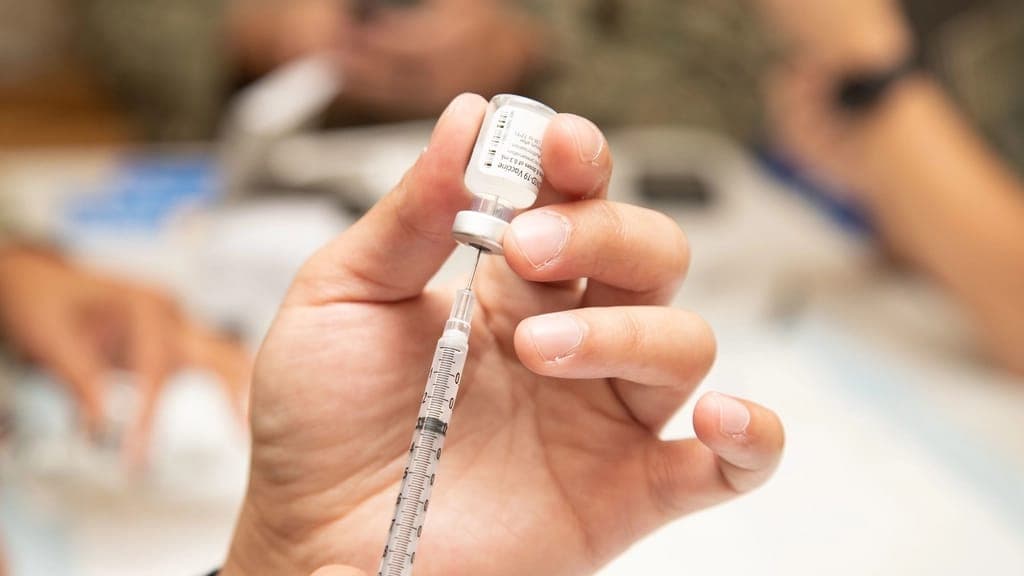
Human papillomavirus (HPV) is the most common sexually transmitted infection. Most people who are sexually active will have it at some point, and most infections clear on their own. Some types, however, can cause genital warts or lead to cancers of the cervix, vagina, vulva, anus, penis and throat. The HPV vaccine prevents these problems.
How well does the HPV vaccine work?
The vaccine is very effective at preventing infection with the HPV types it covers, and it can prevent the large majority of cancers caused by HPV. It works best when given before a person is exposed to HPV, which is why it is offered at a young age. It does not treat an existing HPV infection.
Who should get it?
- Girls and boys aged 11 to 12 (the vaccine can be given from age 9)
- Teenagers and young adults who missed vaccination, through age 26
- Some adults aged 27 to 45, after talking with a doctor about their risk
- People with weakened immune systems, who may need extra doses
Guidance varies between countries, so check your local schedule.
How many doses?
- Before age 15: 2 doses, 6 to 12 months apart
- Age 15 or older, or weakened immune system: 3 doses over 6 months
- Some countries use a single-dose schedule, following WHO guidance
Is it safe?
The HPV vaccine has been studied extensively and monitored worldwide. Common side effects are mild: pain, redness or swelling at the injection site, headache and tiredness. Serious allergic reactions are very rare. Tell your provider about any severe allergies before vaccination.
Vaccination and screening
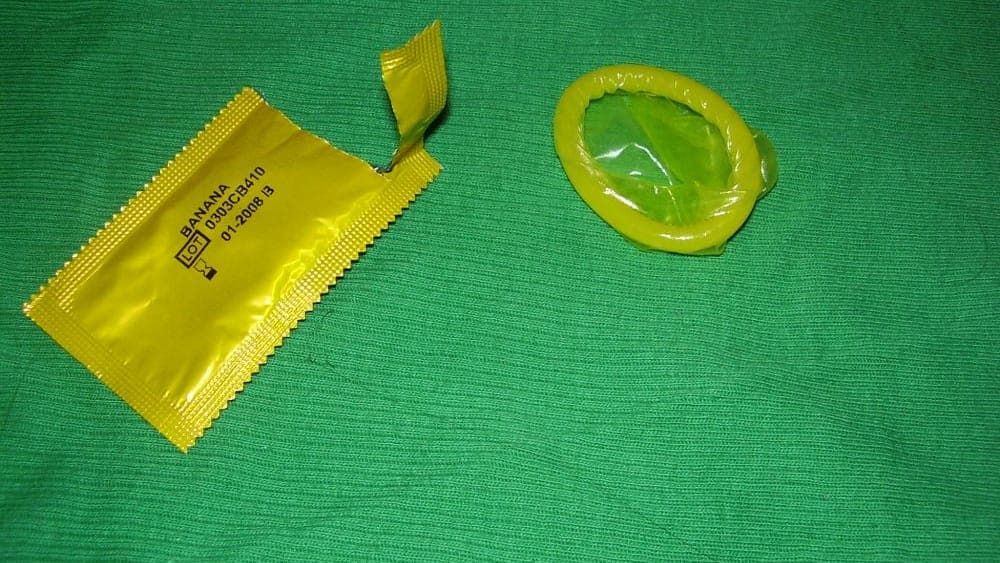
The vaccine does not cover every cancer-causing HPV type, so women should still have regular cervical screening (Pap or HPV tests) as recommended in their country. Condoms also lower, but do not eliminate, the risk of HPV.
When to see a doctor
Ask your doctor, nurse or pharmacist about the HPV vaccine if you or your child has not had it. See a doctor if you notice genital warts, unusual bleeding, or have missed cervical screening.
This article is for educational purposes only and does not replace advice from a doctor or other qualified health professional. See our medical disclaimer.