How HIV is and is not spread, and the proven ways to prevent it: condoms, PrEP, PEP after exposure, testing and HIV treatment.
This article is awaiting review by a qualified medical professional.
HIV (human immunodeficiency virus) attacks the immune system. There is no cure, but there are highly effective ways to prevent it, and modern treatment allows people with HIV to live long, healthy lives.
How HIV is spread, and how it is not
HIV spreads through certain body fluids: blood, semen and pre-seminal fluid, rectal fluids, vaginal fluids and breast milk. It is passed on mainly through:
- Vaginal or anal sex without a condom or other protection
- Sharing needles or syringes
- From a parent to a baby during pregnancy, birth or breastfeeding, if untreated
HIV is not spread through hugging, kissing, sharing food, toilets, swimming pools, or mosquito bites.
Condoms
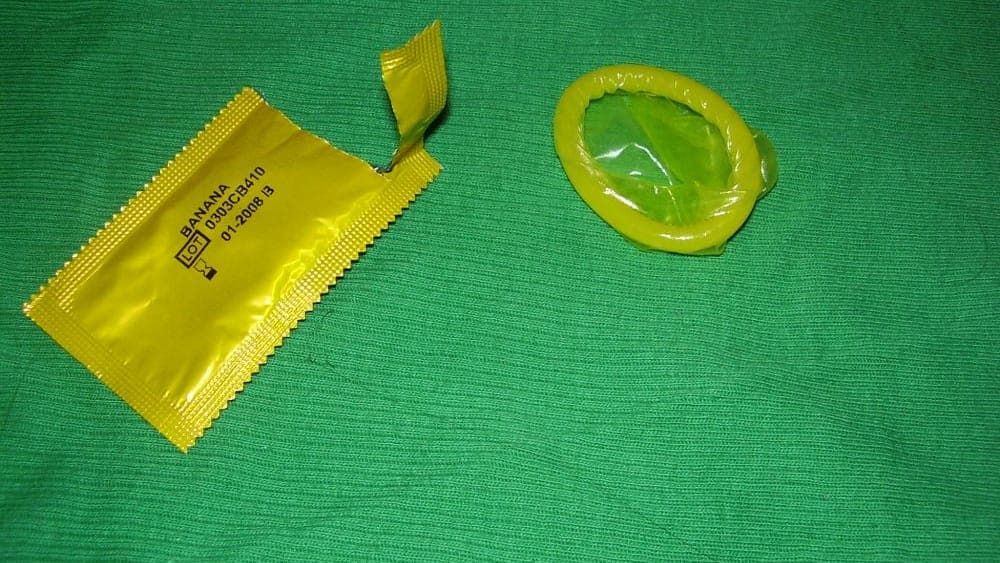
Using condoms correctly every time you have vaginal or anal sex greatly lowers your risk of HIV, and also protects against many other STIs. Use water-based or silicone lubricant. See how to use a condom correctly.
PrEP: medicine to prevent HIV
Pre-exposure prophylaxis (PrEP) is for people who do not have HIV but are at higher risk, for example those whose partner has HIV, people with multiple partners or inconsistent condom use, and people who inject drugs.
- Effectiveness: taken as prescribed, PrEP reduces the risk of getting HIV from sex by about 99%
- Forms: a daily pill, and in some countries long-acting injections given every few months
- Monitoring: you need an HIV test and kidney check before starting and regular follow-up while taking it
- Limits: PrEP does not protect against other STIs or pregnancy, so condoms are still useful
Ask a doctor or sexual health clinic whether PrEP is available and right for you.
PEP: emergency medicine after exposure
Post-exposure prophylaxis (PEP) is a 28-day course of HIV medicine that can stop infection after a possible exposure, for example a condom breaking or sexual assault. It must be started as soon as possible and within 72 hours. The sooner it starts, the better it works. Go straight to an emergency department or sexual health clinic.
Treatment as prevention (U=U)
A person with HIV who takes treatment as prescribed and keeps an undetectable viral load for at least six months cannot pass HIV to a sexual partner. This is called Undetectable = Untransmittable (U=U). Early treatment protects both the person and their partners.
Pregnancy and breastfeeding
With HIV treatment during pregnancy and delivery, and medicine for the baby, the chance of passing HIV to the baby can be reduced to under 1%. Pregnant women should be offered an HIV test as part of routine care.
Needles and injecting
Never share needles, syringes or other equipment. Needle and syringe programmes and sterile supplies reduce the spread of HIV and hepatitis.
Get tested
Knowing your status is the first step. See HIV symptoms and testing for how and when to test.
When to see a doctor
Contact a healthcare provider or sexual health clinic if you may have been exposed to HIV, if you want to discuss PrEP, or if you have symptoms. If the exposure was in the last 72 hours, seek care immediately and ask for PEP.
This article is for educational purposes only and does not replace advice from a doctor or other qualified health professional. See our medical disclaimer.