Early signs of HIV, how the different HIV tests work, how long after exposure you should test, and what happens if the result is positive.
This article is awaiting review by a qualified medical professional.
HIV often causes no symptoms at first, so you cannot tell whether you have it by how you feel. Testing is simple, confidential and the only reliable way to know.
Early symptoms of HIV
Some people develop a flu-like illness 2 to 4 weeks after infection, which can last a few days to weeks. It may include:
- Fever and chills
- Sore throat
- Rash
- Night sweats
- Muscle aches and joint pain
- Swollen lymph glands
- Tiredness
- Mouth ulcers
These symptoms are common to many illnesses, and many people with HIV have no early symptoms at all.
If HIV is not treated
Without treatment, HIV gradually weakens the immune system over years, leading to frequent infections, weight loss, fevers and other serious illnesses. Advanced HIV is called AIDS. With treatment, most people never reach this stage.
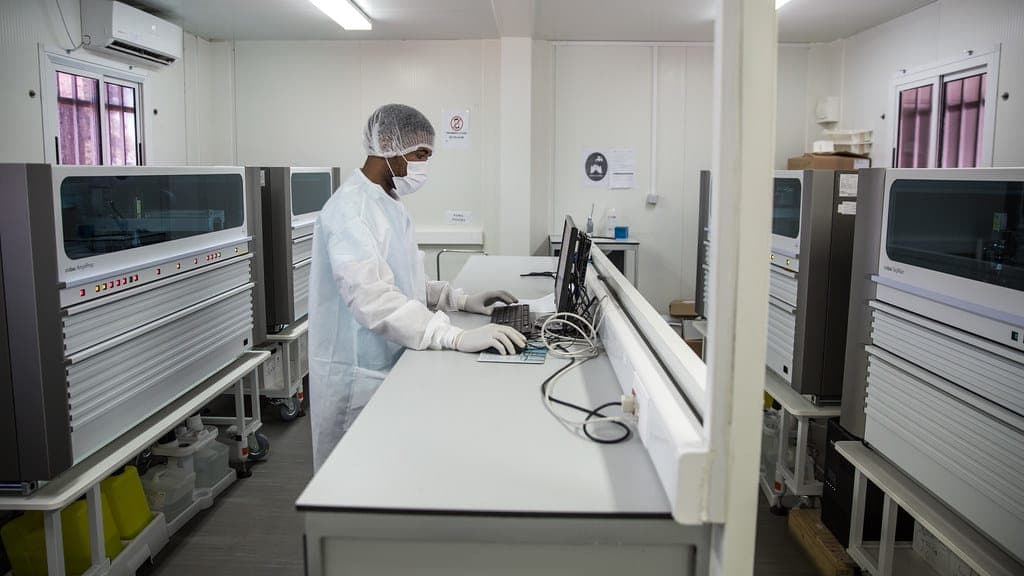
Types of HIV tests and window periods
The window period is the time between exposure and when a test can reliably detect HIV. Approximate detection times:
| Test type | Approximate detection time after exposure |
|---|
| Nucleic acid test (NAT), blood | 10 to 33 days |
| Antigen and antibody test, laboratory blood test | 18 to 45 days |
| Rapid antigen and antibody test, finger prick | 18 to 90 days |
| Antibody tests, including home self-tests | 23 to 90 days |
If you test during the window period and the result is negative, repeat the test later, as your clinician advises, to be sure.
Who should be tested?
- Everyone at least once, as part of routine care
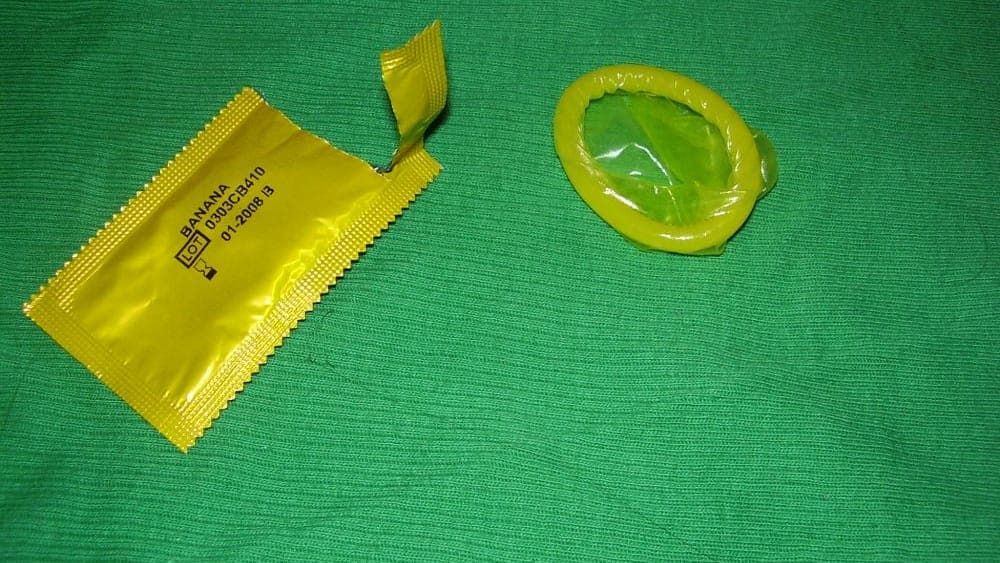
- Anyone who has had condomless sex or a new partner
- People with other STIs, or with a partner who has HIV
- People who share needles
- Pregnant women, at their first antenatal visit
- Anyone who is worried
People at ongoing higher risk may need testing every 3 to 6 months. Ask a clinician what is right for you.
Where to get tested
You can be tested at sexual health clinics, family doctors, community health services and many pharmacies. Home self-test kits are available in many countries, and any positive result should be confirmed by a clinic.
If your result is positive
A positive result is not a life sentence. With treatment:
- The virus can be reduced to undetectable levels within months
- You can expect a near-normal lifespan and good quality of life
- You cannot pass HIV to sexual partners while your viral load is undetectable (U=U)
Start treatment as soon as possible, and consider telling partners so that they can be tested. Support services and counselling are available.
When to see a doctor
Get tested if you think you might have been exposed or you have symptoms. If the possible exposure was in the last 72 hours, go to an emergency department or sexual health clinic immediately and ask about post-exposure prophylaxis (PEP).
This article is for educational purposes only and does not replace advice from a doctor or other qualified health professional. See our medical disclaimer.