For medical emergencies, call your local emergency number. This site does not provide medical advice.

How to Use a Condom Correctly: Step-by-Step Guide

A clear step-by-step guide to using external condoms correctly, choosing the right lubricant and avoiding common mistakes that cause breakage.

By Editorial Team · Updated · 2 min read

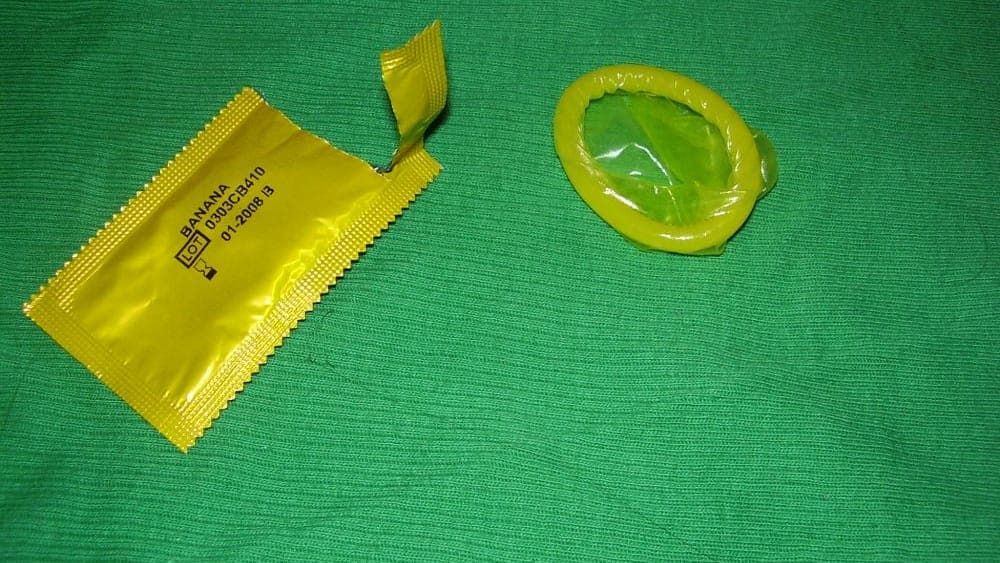
Condom wrapper and an unrolled condom on a green cloth
Photo: Anka Grzywacz / Wikimedia Commons · CC BY 2.5 pl

This article is awaiting review by a qualified medical professional.

Quick answer

To use a condom correctly, check the expiry date, open the packet carefully, pinch the tip and roll it down the erect penis before any genital contact, use water-based or silicone lubricant, and hold the base while withdrawing. Use a new condom every time and never reuse or double up.

Condoms are one of the most effective ways to reduce the risk of STIs, including HIV, and to prevent pregnancy, but only if they are used correctly and every time. Most failures come from mistakes in how they are used, not from the condom itself.

Before you start

  • Check the expiry date and make sure the packet is not damaged
  • Choose the right size and material. Latex is the most common. If you or your partner have a latex allergy, use polyurethane or polyisoprene condoms
  • Avoid storing condoms in a wallet, glove box or anywhere hot, as heat and friction damage them
  • Keep condoms and lubricant within reach so that you do not skip them

How to use an external condom

  1. Open the packet carefully with your fingers. Do not use teeth or scissors, which can tear the condom.
  2. Check which way it unrolls. The rim should be on the outside, like a small hat.
  3. Pinch the tip to leave a small space for semen and squeeze out any air.
  4. Roll it down over the erect penis to the base before any genital, anal or oral contact.
  5. Add lubricant if needed to reduce friction.
  6. After sex, hold the base of the condom while the penis is still erect, and withdraw.
  7. Remove carefully, tie a knot and dispose of it in the bin, not the toilet.
  8. Use a new condom every time, and for every act of sex.

Choosing lubricant

  • Safe with latex: water-based and silicone-based lubricants
  • Not safe with latex: oil-based products such as lotion, petroleum jelly, baby oil or massage oil

Common mistakes to avoid

  • Putting the condom on late, after starting sex
  • Unrolling it before putting it on
  • Using two condoms at once, which increases the chance of breakage
  • Reusing a condom
  • Using expired or damaged condoms
  • Using oil-based lubricant with latex condoms
  • Using natural (lambskin) condoms for STI protection, because viruses such as HIV can pass through them

Internal (female) condoms

Internal condoms are placed inside the vagina or anus and can be inserted up to several hours before sex. They are made from nitrile or polyurethane, so they can be used with any lubricant. They also protect against STIs and pregnancy.

If a condom breaks or slips off

  • If pregnancy is a concern, consider emergency contraception as soon as possible
  • If you may have been exposed to HIV, seek PEP within 72 hours
  • Get tested for STIs, as advised by a clinician

When to see a doctor

Speak to a healthcare provider or sexual health clinic if a condom fails, if you have symptoms after sex, or if you want advice on combining condoms with other methods such as PrEP or vaccination.

Frequently asked questions

Can you use two condoms for extra protection?

No. Using two condoms at once increases friction and the chance that they break. Use one condom, correctly.

What lubricant should you use with condoms?

Use water-based or silicone-based lubricant. Oil-based products such as lotion, petroleum jelly or baby oil can weaken latex condoms and cause them to break.

What should you do if a condom breaks?

Stop, and consider emergency contraception if pregnancy is a concern, as soon as possible. If you may have been exposed to HIV, seek PEP within 72 hours, and get tested for STIs.

Sources

  1. WHO: Sexually transmitted infections (STIs) fact sheet
  2. WHO: Family planning and contraception fact sheet

This article is for educational purposes only and does not replace advice from a doctor or other qualified health professional. See our medical disclaimer.