An overview of contraception options, how well each works with typical use, and what to consider when choosing a method.
This article is awaiting review by a qualified medical professional.
The best contraceptive is one that suits your health, lifestyle and plans, and that you can use correctly. Effectiveness is usually described as the number of pregnancies per 100 people using the method for a year.
Methods at a glance
Approximate pregnancies per 100 people per year with typical use:
| Method | Typical-use pregnancies | Protects against STIs? |
|---|
| Implant | Fewer than 1 | No |
| Hormonal or copper IUD | Fewer than 1 | No |
| Sterilization | Fewer than 1 | No |
| Injection | About 4 | No |
| Pill, patch or ring | About 7 | No |
| Male (external) condom | About 13 | Yes |
| Female (internal) condom | About 21 | Yes |
| Fertility awareness methods | About 2 to 23, depending on the method | No |
| Withdrawal | About 20 | No |
Figures come from US and international health agencies and vary a little between sources.
Long-acting methods
Implants and IUDs are the most effective reversible options. They work for years, don't depend on daily action, and fertility returns quickly after removal.
Short-acting hormonal methods
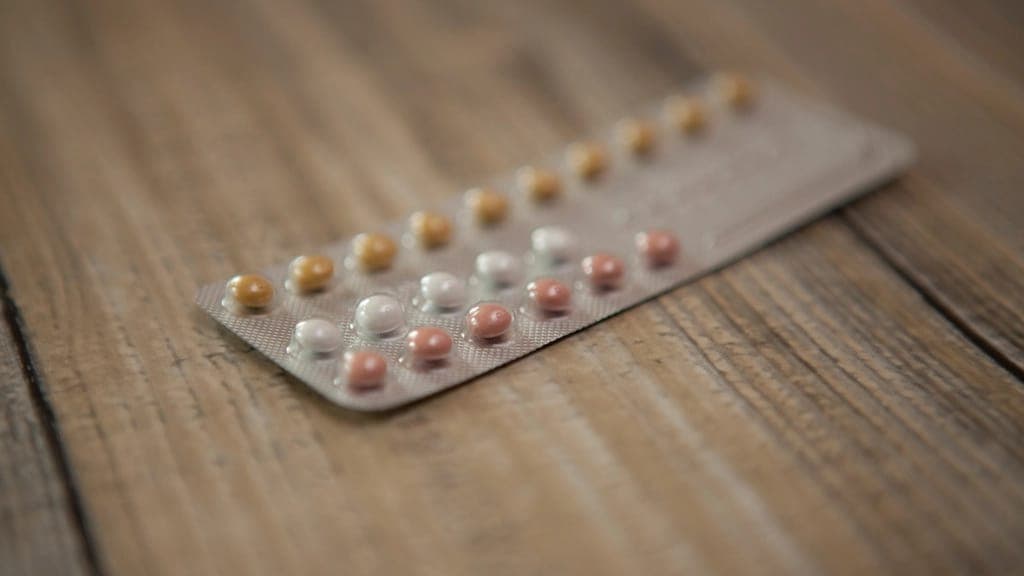
The pill, patch, ring and injection are effective but rely on being used on time. Some hormonal methods are not suitable for people with certain conditions, such as a history of blood clots or migraine with aura, so a health check is important.
Barrier methods
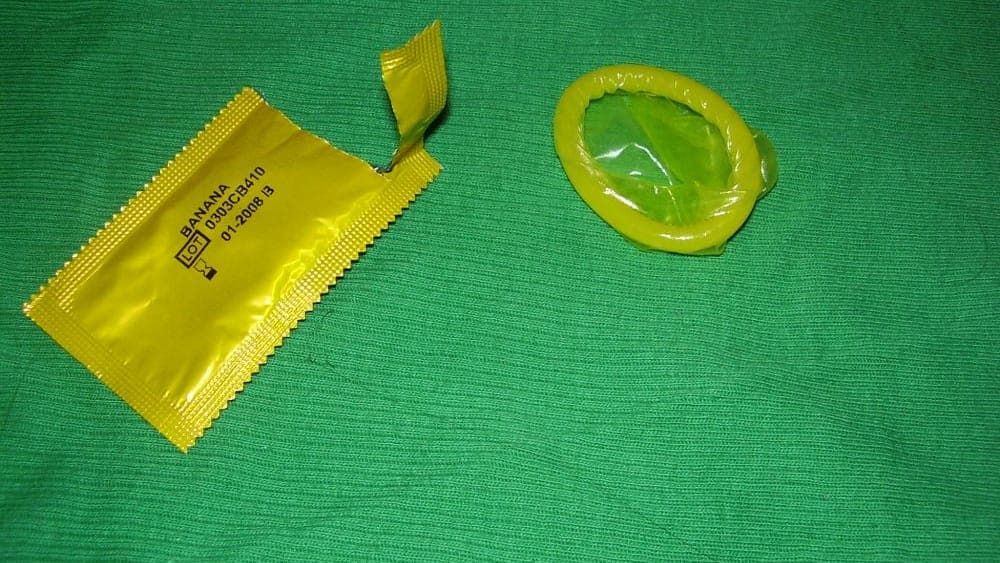
Condoms are the only method that also reduces the risk of most STIs. They can be combined with another method for extra pregnancy protection.
Emergency contraception
If a method fails or you have unprotected sex, emergency contraception can reduce the chance of pregnancy. Emergency contraceptive pills work best taken as soon as possible, and a copper IUD fitted within five days is the most effective option. Ask a pharmacist or clinician promptly.
How to choose
Think about:
- How effective you need it to be
- Whether you may want children soon
- Side effects and health conditions
- Whether you need STI protection
- How easy it is to use consistently
When to see a doctor
A doctor, nurse or pharmacist can help you compare options and check what is safe for you. Seek advice if you miss pills, if a condom breaks, or if you have unexpected symptoms after starting a method.
This article is for educational purposes only and does not replace advice from a doctor or other qualified health professional. See our medical disclaimer.