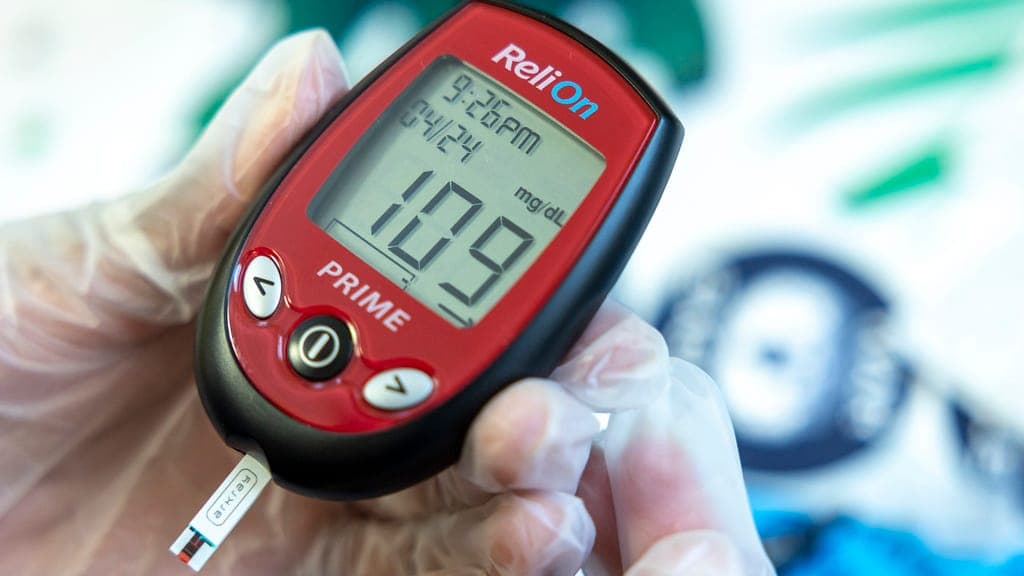
Learn the early signs of type 2 diabetes, who is at higher risk, how it is diagnosed and what you can do about it.
This article is awaiting review by a qualified medical professional.
Quick answer
Early signs of type 2 diabetes include increased thirst, frequent urination, tiredness, blurred vision and slow-healing sores, but many people have no symptoms. It is diagnosed with a blood test such as HbA1c, and it can often be managed or delayed with diet, exercise and, if needed, medicine.
Type 2 diabetes is a long-term condition in which the body does not use insulin properly, so sugar (glucose) builds up in the blood. It is the most common form of diabetes, and many people have it for years without knowing.
Common symptoms
Symptoms often develop slowly and can be easy to miss:
- Increased thirst and frequent urination
- Feeling very tired
- Blurred vision
- Slow-healing cuts or sores
- Frequent infections, such as skin or urinary infections
- Tingling, numbness or pain in the hands or feet
- Unexplained weight loss
Some people have no symptoms at all, which is why screening matters.
Who is at higher risk?
Risk is higher if you are overweight, physically inactive, over 45, have a parent or sibling with diabetes, have had gestational diabetes, or have polycystic ovary syndrome (PCOS). Some ethnic groups, including South Asian, Black, Hispanic and Indigenous populations, have a higher risk at lower body weights.
How it is diagnosed
Doctors use simple blood tests, including:
- HbA1c, which reflects average blood sugar over about three months
- Fasting plasma glucose
- Oral glucose tolerance test
Your doctor will explain which test suits you and what your results mean.
Managing and reducing risk
Lifestyle changes can prevent or delay type 2 diabetes and help control it once diagnosed:
- Eat more vegetables, whole grains, legumes and fibre, and less sugary drinks and ultra-processed food
- Aim for about 150 minutes of moderate physical activity a week, unless your doctor advises otherwise
- Lose weight if you are overweight, since even a modest loss helps
- Don't smoke
Some people also need medicines, which a doctor will prescribe and monitor.
When to see a doctor
See a doctor if you have any of the symptoms above or risk factors, and ask about screening. Seek urgent care if you have extreme thirst, vomiting, confusion, fruity-smelling breath or difficulty breathing.
This article is for educational purposes only and does not replace advice from a doctor or other qualified health professional. See our medical disclaimer.