For medical emergencies, call your local emergency number. This site does not provide medical advice.

Mediterranean Diet: Benefits, Food List and Easy Meal Plan

What the Mediterranean diet is, its proven benefits for heart health and weight, what to eat and limit, and a simple day of meals.

By Editorial Team · Updated · 2 min read

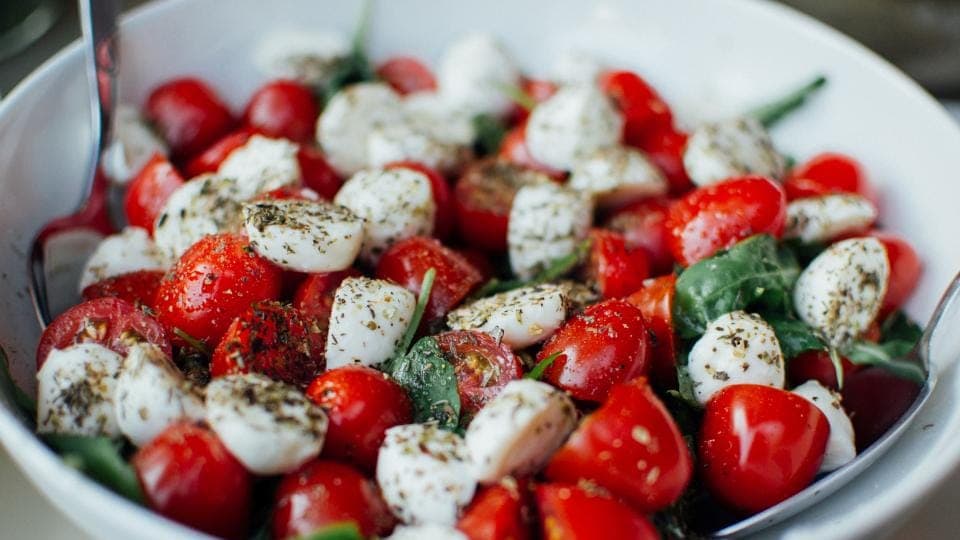
Fresh tomato and mozzarella salad in a white bowl
Photo: Patryk Dziejma · CC0

This article is awaiting review by a qualified medical professional.

Quick answer

The Mediterranean diet is an eating pattern built around vegetables, fruit, whole grains, legumes, nuts, olive oil and fish, with little red meat and few processed foods. In a large trial, adults at high risk of heart disease who followed it with extra olive oil or nuts had about 30% fewer major cardiovascular events. It is also linked to better weight control and a lower risk of type 2 diabetes.

The Mediterranean diet is based on the traditional eating habits of countries around the Mediterranean Sea, such as Greece, Italy and Spain. It is not a strict plan but a pattern of eating that is easy to adapt to local foods anywhere in the world.

Benefits of the Mediterranean diet

  • Heart health: in the PREDIMED trial of adults at high cardiovascular risk, those following a Mediterranean diet with extra-virgin olive oil or nuts had about 30% fewer heart attacks, strokes and deaths from cardiovascular causes
  • Cholesterol and blood pressure: lower "bad" LDL cholesterol and better blood pressure
  • Type 2 diabetes: linked with a lower risk of developing diabetes and better blood sugar control
  • Weight management: high fibre and healthy fats help you feel full
  • Brain health: associated with slower cognitive decline, though the evidence is less certain
  • Longevity: associated with a longer life in large population studies

What to eat

Eat oftenEat in moderationLimit
Vegetables and fruitPoultry and eggsRed and processed meat
Whole grains, such as oats, brown rice and whole-wheat breadCheese and yogurtSugary drinks and sweets
Beans, lentils and chickpeasRed wine with meals (optional)Refined grains and white bread
Nuts and seedsUltra-processed and fried foods
Extra-virgin olive oilButter and margarine
Fish and seafood, at least twice a weekAdded salt
Herbs and spices

A simple day of meals

  • Breakfast: plain yogurt with fruit and a handful of walnuts, or wholegrain toast with olive oil and tomato
  • Lunch: lentil or chickpea salad with vegetables, olive oil and lemon
  • Snack: fruit, or a small handful of almonds
  • Dinner: grilled fish with roasted vegetables and whole grains such as brown rice or quinoa

Tips to get started

  1. Use olive oil as your main cooking fat
  2. Fill half your plate with vegetables
  3. Swap red meat for fish, beans or lentils a few days a week
  4. Choose whole grains over refined ones
  5. Snack on fruit and nuts
  6. Adapt it to your region, using local vegetables, pulses, spices and fish

When to see a doctor

Speak to a doctor or dietitian before making big changes if you have diabetes, kidney disease, food allergies, or take blood-thinning medicines, since some foods can affect your treatment.

Frequently asked questions

What are the main benefits of the Mediterranean diet?

It lowers the risk of heart disease and stroke, helps control cholesterol and blood pressure, supports healthy weight, and is linked with a lower risk of type 2 diabetes. Studies also link it with slower cognitive decline, though this evidence is weaker.

What foods are not allowed on the Mediterranean diet?

Nothing is banned, but you eat little red and processed meat, refined grains, sugary drinks and sweets, and heavily processed foods. The focus is on eating more of the healthy foods rather than strict rules.

Can you lose weight on the Mediterranean diet?

Yes, it can help with weight loss and maintenance because it is high in fibre and healthy fats and low in processed food. Portion sizes and calories still matter, so combine it with physical activity.

Do you need to drink wine on the Mediterranean diet?

No. Moderate wine with meals is part of the traditional pattern, but doctors do not recommend starting to drink alcohol for health reasons. It is fine to leave it out.

Sources

  1. Primary prevention of cardiovascular disease with a Mediterranean diet supplemented with extra-virgin olive oil or nuts (PREDIMED, NEJM 2018)
  2. Mayo Clinic: Mediterranean diet
  3. WHO: Healthy diet fact sheet

This article is for educational purposes only and does not replace advice from a doctor or other qualified health professional. See our medical disclaimer.