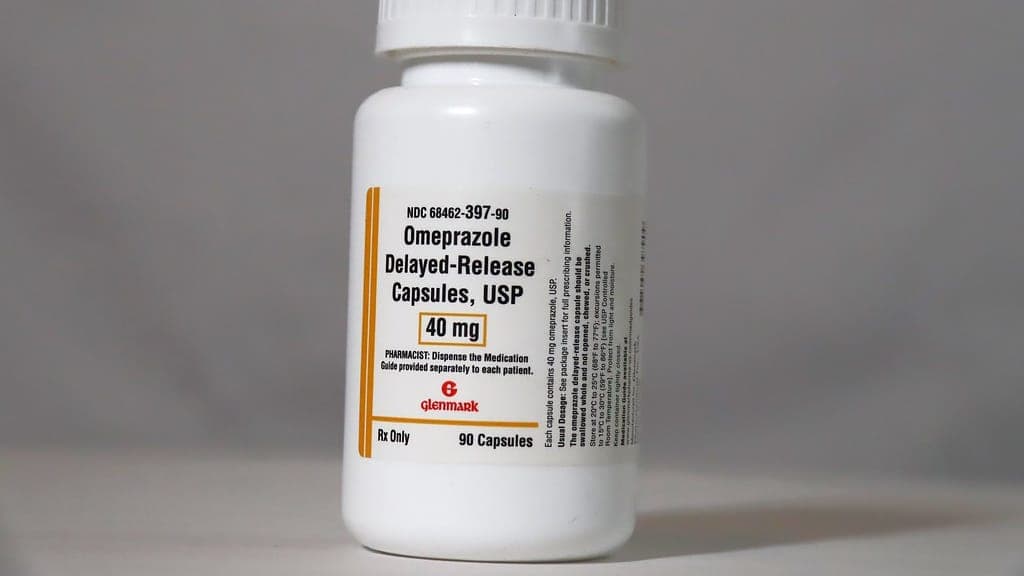
What Lexapro is used for, how it works, its benefits, common and serious side effects, and important safety information about stopping it.
This article is awaiting review by a qualified medical professional.
Lexapro is the brand name of escitalopram, a selective serotonin reuptake inhibitor (SSRI). It is one of the most commonly prescribed antidepressants worldwide, and generic escitalopram is widely available. This article is for information only. Never start, change or stop a prescription medicine without speaking to your doctor.
What is Lexapro used for?
- Major depressive disorder in adults and adolescents
- Generalized anxiety disorder (GAD) in adults and older children
Doctors may also prescribe it off-label for other anxiety-related conditions.
How does Lexapro work?
Serotonin is a brain chemical that helps regulate mood, sleep and anxiety. Escitalopram blocks the reabsorption of serotonin by nerve cells, so more of it stays available. Over several weeks this helps improve mood and reduce anxiety.
Benefits of Lexapro
- Reduces depressive symptoms such as low mood, loss of interest, poor sleep and appetite, low energy and difficulty concentrating
- Reduces anxiety, including constant worry, restlessness, muscle tension and irritability in GAD
- Once-daily dosing that is easy to fit into a routine
- Generally well tolerated, and usually has fewer drug interactions than some other antidepressants
- Helps prevent relapse when taken for as long as your doctor recommends
- Widely available as a low-cost generic
Medicine is often most effective when combined with talking therapy such as cognitive behavioural therapy, and with healthy sleep, activity and support.
Common side effects
Many side effects are mild and ease after the first few weeks:
- Nausea or diarrhea
- Headache
- Trouble sleeping or drowsiness
- Dry mouth and sweating
- Dizziness
- Reduced sex drive, delayed orgasm or erectile difficulties
- Changes in appetite or weight
Tell your doctor if side effects are troublesome, because there are often ways to manage them.
Serious warnings
- Suicidal thoughts: antidepressants carry a boxed warning about a higher risk of suicidal thoughts and behaviour in children, teenagers and adults under 25, especially in the first weeks or after dose changes. Families and carers should watch for mood changes, agitation or thoughts of self-harm and contact a doctor immediately.
- Serotonin syndrome: a rare but serious reaction, especially when combined with other serotonin-raising medicines, with signs such as agitation, fever, heavy sweating, tremor, fast heartbeat and muscle stiffness
- Heart rhythm: escitalopram can affect the heart's electrical rhythm (QT prolongation), particularly at higher doses or in people with heart conditions
- Bleeding risk, especially with aspirin, anti-inflammatory painkillers or blood thinners
- Low sodium levels, more common in older adults
- Mania: people with bipolar disorder should be monitored closely
Do not take Lexapro with MAO inhibitors, and tell your doctor about all other medicines and supplements you use, including St John's wort and tramadol.
Stopping Lexapro
Do not stop suddenly. Sudden withdrawal can cause dizziness, nausea, irritability, anxiety, sleep problems and "brain zap" sensations. Your doctor will lower the dose gradually.
Pregnancy and breastfeeding
Untreated depression and anxiety can also affect pregnancy, so decisions weigh the risks and benefits for each person. Talk to your doctor before you plan pregnancy or if you become pregnant. Do not stop the medicine on your own.
When to seek help
Contact your doctor if side effects are severe or if your symptoms are not improving after several weeks. If you have thoughts of harming yourself, seek help immediately by calling your local emergency number or a crisis line.
This article is for educational purposes only and does not replace advice from a doctor or other qualified health professional. See our medical disclaimer.