Child Health
Child Development Milestones by Age: 2 Months to 5 Years
A guide to typical developmental milestones from 2 months to 5 years, and the signs that mean you should talk to your doctor.
Updated 2026-09-21 · 2 min read
For medical emergencies, call your local emergency number. This site does not provide medical advice.
What counts as a fever in a child, how to bring it down safely, and the warning signs that mean you should get medical help.
By Editorial Team · Updated · 2 min read
This article is awaiting review by a qualified medical professional.
Quick answer
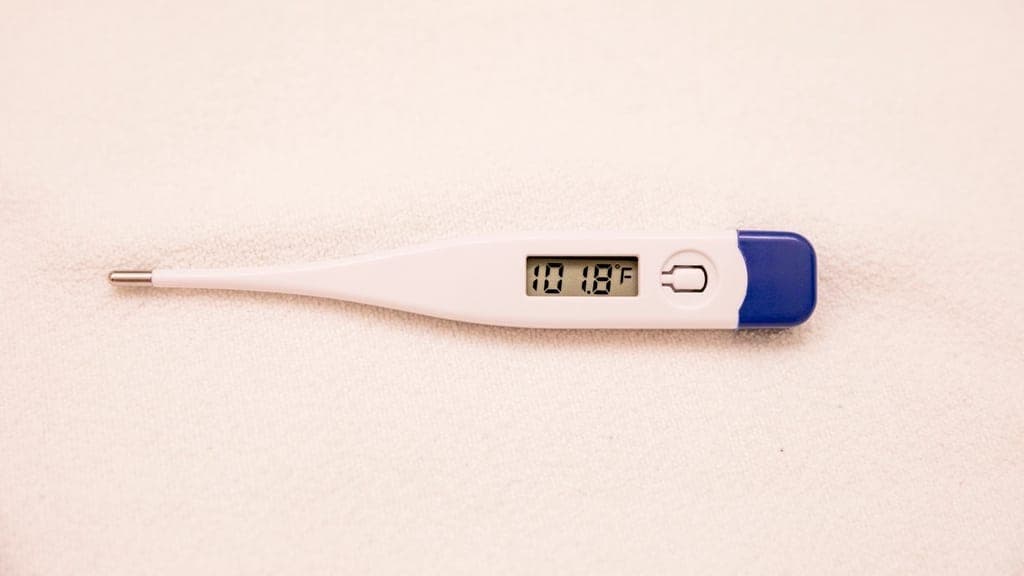
A fever in a child is usually a temperature of 38°C (100.4°F) or higher. It is a sign the body is fighting an infection and is often not dangerous, but a baby under 3 months with a fever needs urgent medical assessment. Keep your child comfortable, offer fluids, and use paracetamol (acetaminophen) or ibuprofen if they are distressed. Never give aspirin to children.
Fever is one of the most common reasons parents seek medical advice. It is usually caused by an infection such as a cold, flu or ear infection, and it helps the body fight germs. How your child looks and behaves matters more than the number on the thermometer.
| Temperature | What it means |
|---|---|
| 36.4°C to 37.5°C (97.5°F to 99.5°F) | Normal range |
| 38°C (100.4°F) or higher | Fever |
| 39°C (102.2°F) or higher | High fever |
Use a digital thermometer. Under the armpit or in the ear (with an ear thermometer) are common methods for children. Follow the instructions supplied with your thermometer, and do not use old glass mercury thermometers.
Get medical help immediately, or call your local emergency number, if your child:
Book a doctor's appointment if the fever lasts more than 5 days, comes back, or your child has an ongoing illness, an earache, sore throat, painful urination or other symptoms. Trust your instincts. If you are worried, seek advice.
Some young children have a seizure when their temperature rises quickly. These are frightening but usually harmless. Place your child on their side on a soft surface, do not put anything in their mouth, and call for emergency help the first time it happens or if it lasts more than 5 minutes.
A temperature of 38°C (100.4°F) or higher is generally considered a fever. A normal temperature is about 36.4°C to 37.5°C (97.5°F to 99.5°F).
No. Rest is more important. Fever medicine is for comfort, not to bring the temperature to normal, and a sleeping child does not need to be woken.
Teething may cause a slightly raised temperature and irritability, but not a true fever of 38°C or higher. If your baby has a fever, look for another cause.
Fever from common viral infections usually lasts about 3 days. See a doctor if it lasts longer than 5 days, keeps returning, or your child seems very unwell.
This article is for educational purposes only and does not replace advice from a doctor or other qualified health professional. See our medical disclaimer.
Child Health
A guide to typical developmental milestones from 2 months to 5 years, and the signs that mean you should talk to your doctor.
Updated 2026-09-21 · 2 min read
Child Health
Which vaccines protect children, how immunization schedules work, common side effects, safety facts and what to do if a dose is missed.
Updated 2026-09-21 · 2 min read
Child Health
A practical guide to caring for a newborn: how often to feed, how to sleep safely, cord and skin care, jaundice and when to call a doctor.
Updated 2026-09-21 · 3 min read