Child Health
Child Development Milestones by Age: 2 Months to 5 Years
A guide to typical developmental milestones from 2 months to 5 years, and the signs that mean you should talk to your doctor.
Updated 2026-09-21 · 2 min read
For medical emergencies, call your local emergency number. This site does not provide medical advice.
Which vaccines protect children, how immunization schedules work, common side effects, safety facts and what to do if a dose is missed.
By Editorial Team · Updated · 2 min read
This article is awaiting review by a qualified medical professional.
Quick answer
Childhood vaccines protect against serious diseases such as measles, polio, whooping cough, tetanus, diphtheria, hepatitis B and pneumococcal infection. Schedules vary by country, but the first doses are usually given from birth to a few months of age, with boosters through childhood. Vaccines are carefully tested, side effects are usually mild, and they do not cause autism.
Vaccination is one of the most effective ways to protect children. The World Health Organization estimates that immunization saves between 3.5 and 5 million lives every year by preventing diseases such as diphtheria, tetanus, whooping cough and measles.
| Vaccine | Protects against |
|---|---|
| DTP (diphtheria, tetanus, pertussis) | Diphtheria, tetanus and whooping cough |
| Polio (IPV or OPV) | Polio, which can cause paralysis |
| MMR | Measles, mumps and rubella |
| Hepatitis B | Hepatitis B liver infection |
| Hib | Haemophilus influenzae type b, which can cause meningitis |
| Pneumococcal | Pneumonia, meningitis and blood infection |
| Rotavirus | Severe diarrhea and dehydration |
| Varicella | Chickenpox |
| HPV | Cancers caused by human papillomavirus |
| Meningococcal | Meningitis and sepsis |
Other vaccines, such as BCG for tuberculosis, seasonal flu and COVID-19, are given depending on the country and the child's risk.
Schedules differ between countries, so follow your national programme. In general:
Your doctor, clinic or child health record will show which vaccines are due.
Babies are most vulnerable to serious infections in the first months of life, so vaccines are given early. On-time vaccination also builds "community protection," which helps protect babies and people who cannot be vaccinated.
Vaccines are tested extensively for safety before approval and continue to be monitored afterwards.
Tell the nurse or doctor if your child is unwell with a high fever, has had a severe allergic reaction to a vaccine before, has a weakened immune system or is taking medicines that affect immunity.
Talk to your doctor if you are unsure which vaccines your child needs, if a dose was missed, if you are travelling abroad, or if you have any worries about vaccination.
No. Many large studies involving millions of children have found no link between vaccines and autism.
Usually a sore, red or swollen injection site, a mild fever, fussiness or tiredness for a day or two. Serious allergic reactions are very rare.
Do not worry, and do not restart the series. Talk to your doctor or nurse, who can arrange catch-up doses. It is never too late to catch up.
A mild illness such as a cold, without a high fever, is usually not a reason to delay. If your child has a high fever or is seriously unwell, ask your provider.
This article is for educational purposes only and does not replace advice from a doctor or other qualified health professional. See our medical disclaimer.
Child Health
A guide to typical developmental milestones from 2 months to 5 years, and the signs that mean you should talk to your doctor.
Updated 2026-09-21 · 2 min read
Child Health
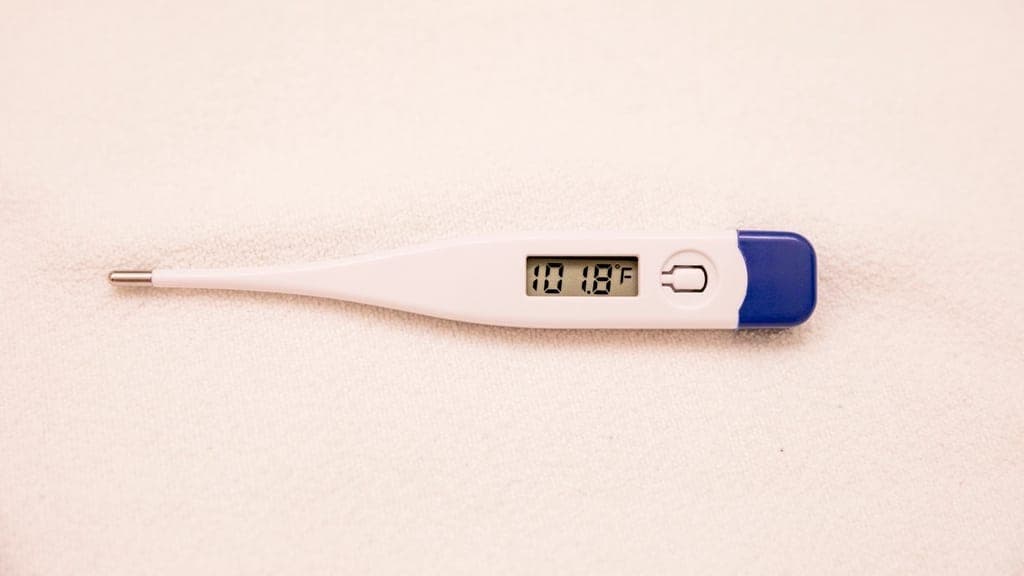
What counts as a fever in a child, how to bring it down safely, and the warning signs that mean you should get medical help.
Updated 2026-09-21 · 2 min read

Child Health
A practical guide to caring for a newborn: how often to feed, how to sleep safely, cord and skin care, jaundice and when to call a doctor.
Updated 2026-09-21 · 3 min read